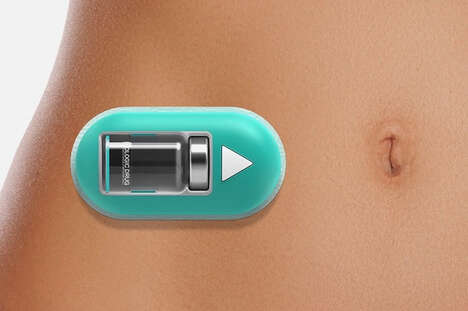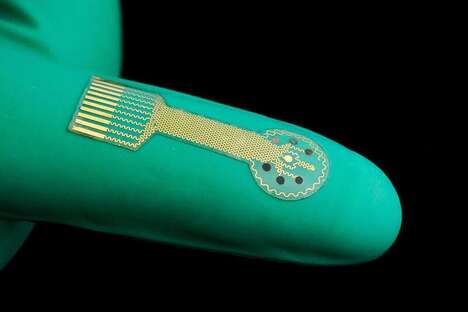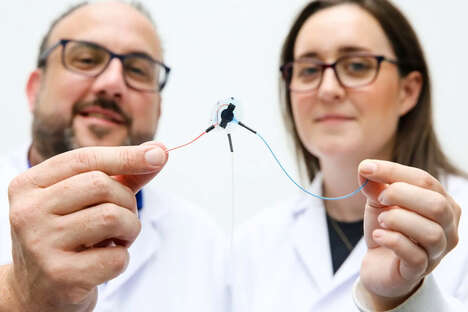
Norwegian researchers are developing an injectable bladder pressure sensor targeted towards patients suffering from bladder control problems. Bladder control complications can arise from spinal injuries, and make patients lose the ability to know when their bladder is full, resulting in a build-up of pressure that can damage the bladder and kidneys.
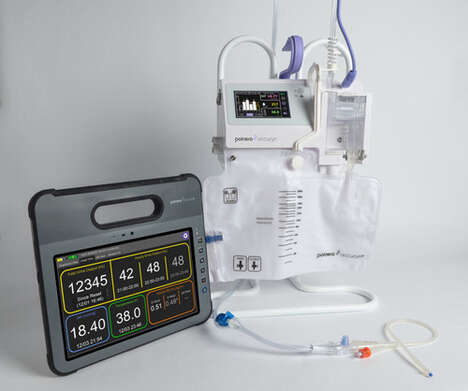
The usual intervention for this problem is to insert a catheter sensor into the patient's urethra and fill their bladder with saline solution to be able to read bladder activity. However this is both uncomfortable and provides an inaccurate reading of bladder pressure.
The injectable sensors can be placed in the bladder through skin injection and could stay in place for months or even years, providing bladder pressure readings with less discomfort and more accuracy than catheter-based interventions. With the injectable sensor, patients' mobility wouldn't be affected and the risk of infection would be reduced.
The researchers hope to eventually be able to create an advanced version of their bladder pressure sensor that could wirelessly transmit bladder readings to the patient's smartphone, alerting them as to when they need to go to the bathroom to relieve bladder pressure.
Key Themes Behind This Trend
- Injectable Bladder Pressure Sensors
- Disruptive Innovation Opportunity: The development of injectable bladder pressure sensors provides a less invasive and more accurate method for monitoring bladder activity in patients with bladder control problems.
- Long-term Sensor Placement
- Disruptive Innovation Opportunity: The ability to keep the injectable sensors in place for extended periods allows for continuous monitoring of bladder pressure, offering valuable insights for patient care.
- Wireless Transmission of Bladder Readings
- Disruptive Innovation Opportunity: The potential creation of an advanced sensor that wirelessly transmits bladder readings to smartphones enables real-time monitoring and personalized alerts for patients.
Where This Applies
- Medical Devices
- Disruptive Innovation Opportunity: Companies can capitalize on the development of injectable bladder pressure sensors to revolutionize the field of medical devices, enhancing patient comfort and accuracy in monitoring bladder conditions.
- Healthcare
- Disruptive Innovation Opportunity: The application of injectable bladder pressure sensors in healthcare opens up possibilities for improved treatment plans and enhanced patient care for individuals with bladder control complications.
- Digital Health
- Disruptive Innovation Opportunity: The integration of wireless transmission technology in bladder pressure sensors creates opportunities for advancements in the digital health sector, enabling personalized monitoring and timely interventions.