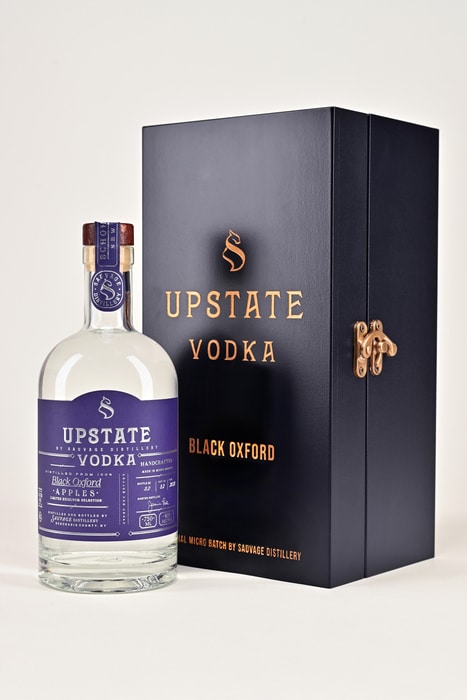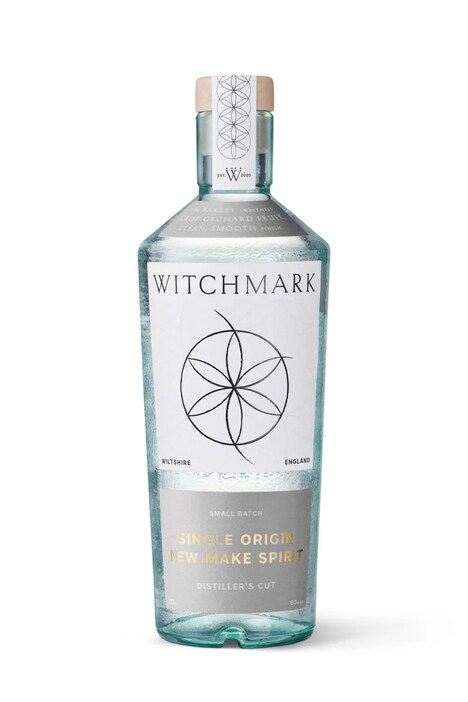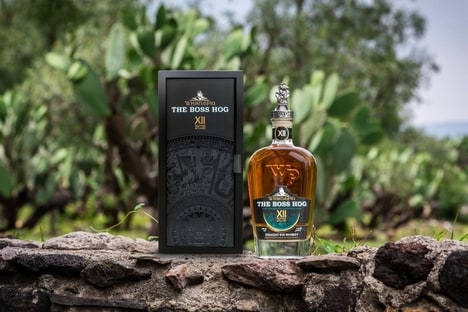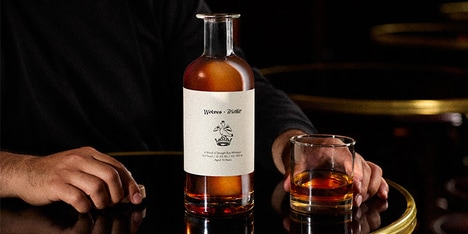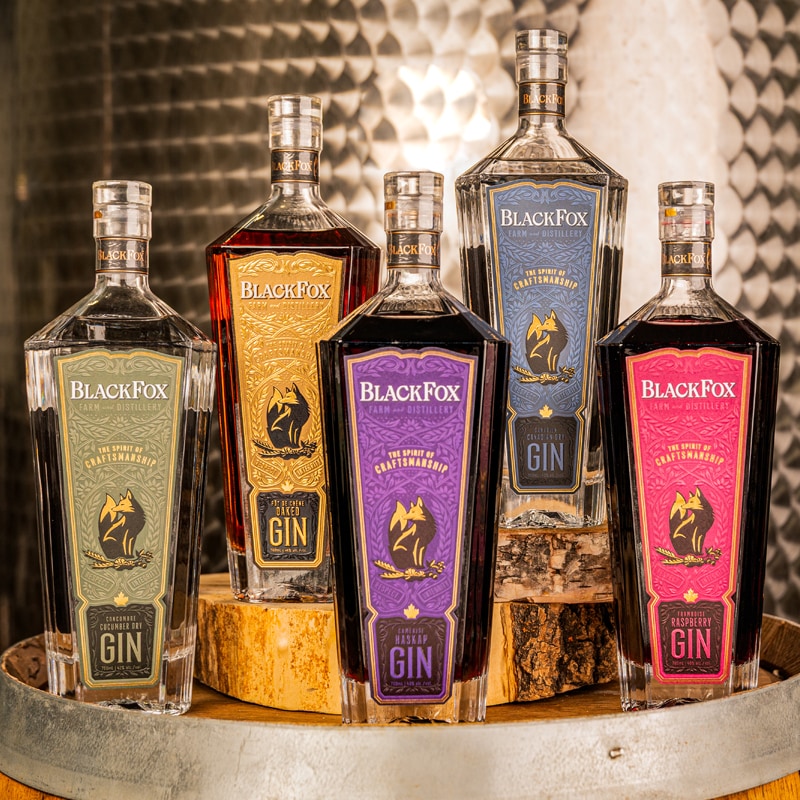
Black Fox Farm and Distillery, an agricultural distillery located in Saskatchewan, Canada, has recently received a significant international accolade. The brand was designated as the Worldwide Whisky Producer of the Year by the International Wine and Spirits Competition (IWSC) during an awards ceremony in London, England. This recognition is based on an evaluation of the distillery's complete range of products, which also includes multiple award-winning gins and other whiskies.
Black Fox Farm and Distillery sets itself apart in the market by its production method, which involves the practice of maturing whisky casks outdoors, where they are subjected to the region's extreme temperature fluctuations, ranging from severe winter cold of -40°C to summer heat of +40°C. The enterprise operates on a largely self-sufficient model, cultivating the vast majority of the grains used in its spirits on its own property. Furthermore, the company emphasizes transparency by providing a detailed provenance tracking system for each bottle.
Image Credit: Black Fox Farm and Distillery
What Makes This Trend Stand Out
- Outdoor Maturation
- Exploiting natural temperature extremes for whisky maturation opens new possibilities for unique flavor profiles that diverge from traditional indoor aging processes.
- Provenance Transparency
- Increasing consumer demand for transparency is driving innovation in provenance tracking, allowing distilleries to offer detailed insights into the origin and journey of each bottle.
- Self-sufficient Distilleries
- Adopting a self-sufficient model where distilleries grow their own grains enhances supply chain resilience and drives sustainability in the spirits industry.
Sectors Adopting This
- Craft Spirits
- The craft spirits sector is ripe for disruption with distilleries employing novel methods, such as low-temperature aging, to differentiate their products in a competitive market.
- Agri-tech
- The integration of agricultural techniques with distillation processes is creating new crossover opportunities between farming and spirits production industries.
- Temperature-resilient Agriculture
- Developments in temperature-resilient agricultural practices are influencing distilleries that utilize natural climate conditions to enhance product offerings.