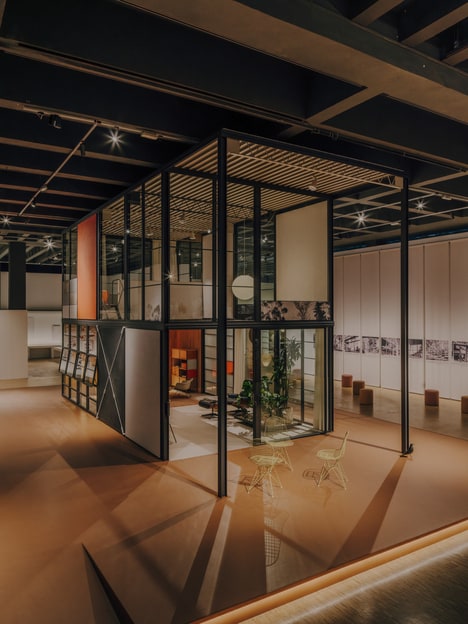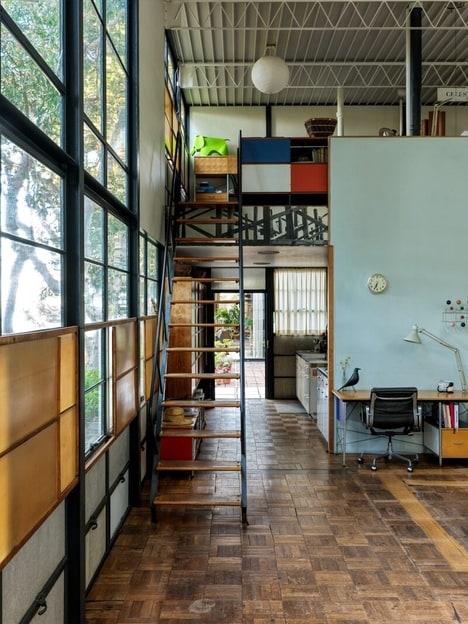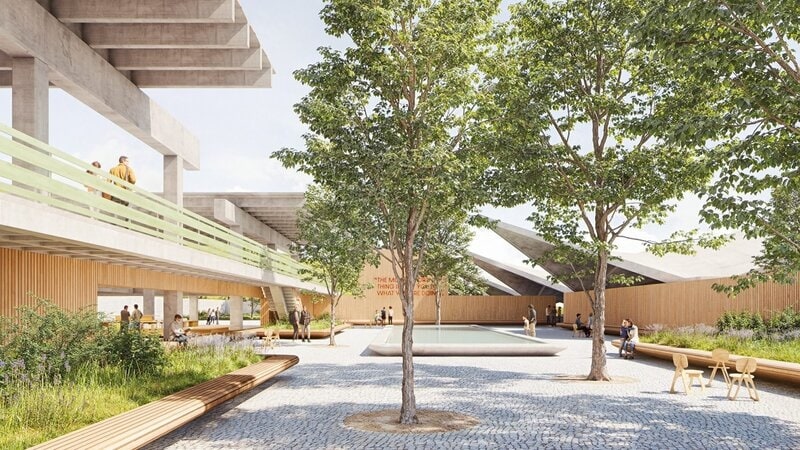
The Birkenstock Site transformation will revitalize an iconic Marin County site into a museum celebrating the legacy of midcentury designers Ray and Charles Eames. The Eames Institute of Infinite Curiosity purchased the 88.5-acre former Birkenstock property and has hired Herzog & de Meuron to repurpose its warehouse and office buildings. Renovations will focus on preserving the original modernist architecture, including the building’s distinctive roofline, while converting interiors into exhibition galleries, makerspaces, retail, dining zones, and public plazas.
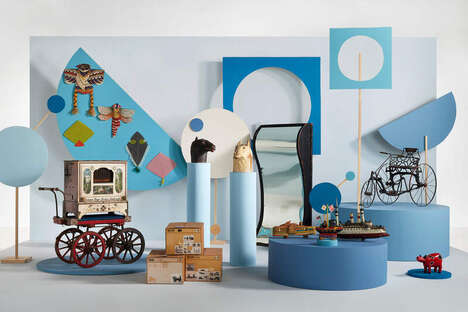
The campus is projected to open by 2028 and aims to welcome around 200,000 visitors annually. Central to the design will be a permanent display of over 40,000 Eames artifacts—including furniture prototypes, personal memorabilia, and industrial designs—alongside rotating exhibits featuring contemporary creators. The adaptive reuse strategy celebrates both architectural heritage and community revitalization, positioning the museum as a cultural anchor for education, innovation, and design inspiration in the Bay Area.
Image Credit: Eames Institute of Infinite Curiosity.
Why This Trend Is Growing
- Adaptive Reuse Architecture
- Transforming existing structures into modern spaces offers architects and developers a sustainable approach that blends historical preservation with contemporary design needs.
- Design Institutions as Cultural Anchors
- By becoming cultural landmarks, design-focused institutions can serve as hubs for creative engagement and economic revitalization within their communities.
- Midcentury Design Revival
- A resurgence in appreciation for midcentury modern aesthetics provides opportunities for integrating classic design principles into modern-day applications.
Industries Being Reshaped
- Museum and Cultural Spaces
- Innovative museum designs that merge historical significance with modern functionality can attract more visitors and enhance educational outreach.
- Architectural Conservation
- Focusing on conservation and adaptive reuses within the architectural industry fosters the integration of sustainability with historic preservation.
- Design and Innovation Education
- Institutions fostering design education through interactive and experiential learning experiences can stimulate creativity and innovation across diverse fields.