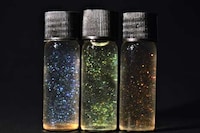
Researchers from the University of Saskatchewan have debuted a biodegradable glitter innovation with the hope of mitigating plastic pollution around the world. Given that glitter is a popular party favorite, and an important inclusion in some cosmetic products (the list goes on, of course), the need for sustainable alternatives was paramount. Indeed, other institutions—like the University of Cambridge, for example—also announced projects involving biodegradable glitter developments.
The University of Saskatchewan claims that its bio-glitter uses "light-reflecting shapes to create sparkles unlike any other." The innovative eco product is called ChiralGlitter and it is plant-based, made from a substance found in plant cell walls. It is "inspired by the natural process of producing structural colors," the color of the glitter particles comes from light reflecting off its surface.
Image Credit: Youtube @University of Saskatchewan
Key Themes Behind This Trend
- Biodegradable Cosmetics
- Innovative plant-based materials are disrupting the traditional cosmetic industry, opening the door for sustainable and eco-friendly product lines.
- Sustainable Party Supplies
- There is an opportunity to disrupt the party supply industry with eco-friendly alternatives to traditional plastic decorations and accessories, like biodegradable glitter.
- Eco-friendly Packaging
- With the increasing awareness around the negative impacts of plastic packaging, there is a growing demand for sustainable alternatives that are both functional and environmentally friendly.
Where This Applies
- Cosmetics
- Cosmetic companies have the opportunity to lead the way with innovative, sustainable and ethically sourced materials in their product lines.
- Event Planning
- Event planners can offer eco-friendly options to their clients with biodegradable glitter and other environmentally friendly party supplies.
- Packaging
- The packaging industry can capitalize on the growing demand for sustainable packaging by introducing new materials like bioplastics and plant-based alternatives.