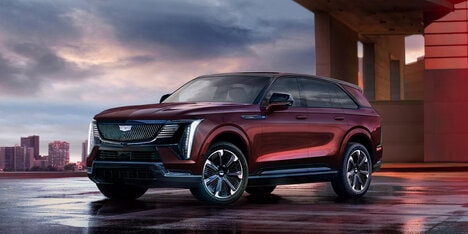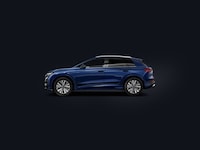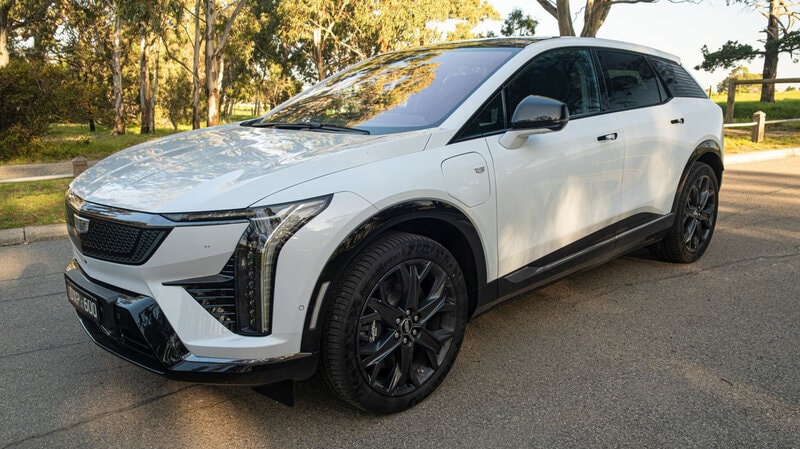
Cadillac is returning to Australia as an EV-only brand with the ‘Optiq,’ a right-hand-drive SUV for local luxury buyers who now meet the marque through electric power rather than gasoline models. It arrives in a three-model lineup and leans on cabin design more than minimalist EV fashion.
A 33-inch curved display gives the dashboard one continuous screen, making maps and media feel integrated instead of tacked on. Australian models also get standard massaging front seats, though the light pressure keeps them as a comfort extra rather than a real long-trip fix.
At AU$85,000, including fees but before options, the ‘Optiq’ gives Cadillac a concrete re-entry point in Australia by undercutting some European EVs without chasing the lowest Chinese pricing. The EV-only approach turns Cadillac’s comeback into a design-and-comfort play, not a nostalgia play.
Image Credit: Brad Anderson / CarScoops
What Makes This Trend Stand Out
- Right-hand-drive Luxury Evs
- Premium automakers can use market-specific electric platforms to re-enter smaller regions with products that feel tailored rather than imported.
- Comfort-led EV Positioning
- Cabin amenities such as massaging seats, expansive displays, and upscale materials create differentiation as electric performance becomes increasingly standardized.
- Value-tier Premium Electrification
- Luxury EVs priced below European rivals but above budget challengers reveal space for accessible prestige without discount-brand associations.
Sectors Adopting This
- Electric Vehicles
- EV-only brand strategies allow legacy marques to reset consumer perceptions and compete through design, technology, and ownership experience.
- Luxury Automotive
- Established premium brands can revive international presence by replacing heritage-led messaging with contemporary comfort and digital-first interiors.
- Automotive Retail
- Dealers and direct sales channels gain new relevance when electric-only launches require education around pricing, features, charging, and brand repositioning.