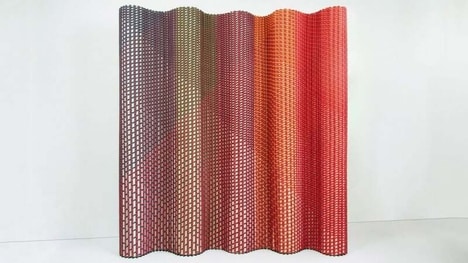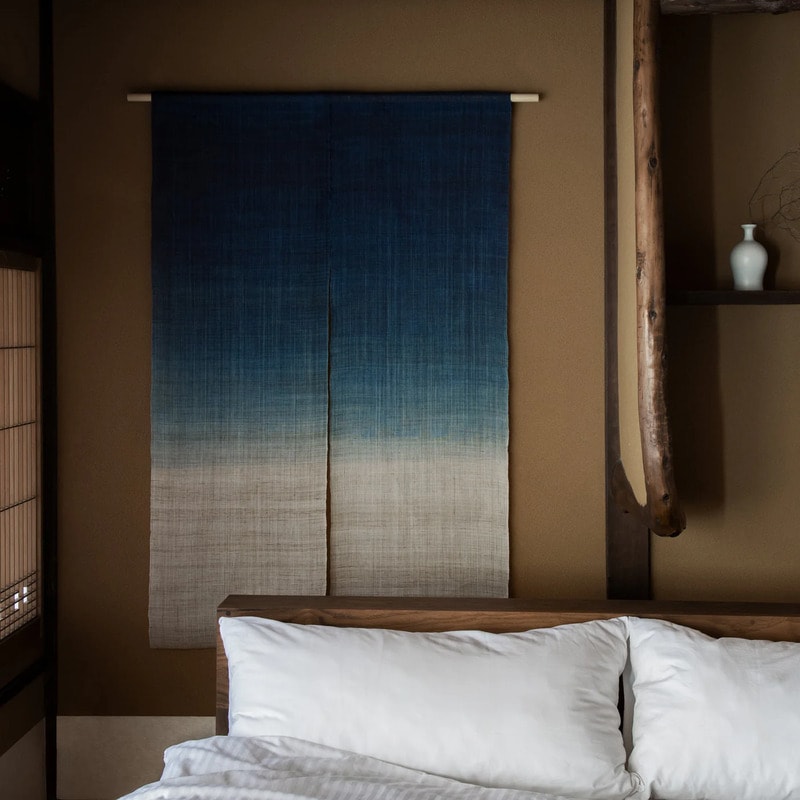
POJ Studio boasts a stunning artisanal textile divider, known as a noren. This contemporary product features a gradient of indigo blue shades — an aesthetic sensibility achieved through manual dyeing techniques.
POJ Studio's Indigo Noren - Gradient piece is crafted by artisan Kiyoe Masao, who skillfully employs natural plant-based dyes and a specific Japanese resist-dyeing method called shibori to create the dynamic pattern on linen fabric. The artisanal textile divider serves a dual purpose of subtly filtering light while introducing visual and tactile depth to an interior.
POJ Studio's Indigo Noren - Gradient may interest contemporary consumers because it is a tangible piece of functional art rooted in deep cultural tradition. This may appeal to those who value authentic craftsmanship and heritage techniques, in particular.
Image Credit: POJ Studio
Why This Trend Is Growing
- Sustainable Textile Innovations
- The use of natural plant-based dyes and traditional methods like shibori highlights a growing trend in eco-friendly and sustainable textile production.
- Functional Art Decor
- Artisanal textile dividers that combine aesthetics with utility embody the evolution of home decor into multifunctional art pieces.
- Cultural Heritage Revival
- There is an increasing demand for products that celebrate and preserve traditional craftsmanship, resonating with consumers seeking authenticity.
Industries Being Reshaped
- Interior Design
- Incorporating artisanal and multifunctional pieces like textile dividers enhances both the aesthetic and practical aspects of interior spaces.
- Sustainable Fashion and Textiles
- The move towards environmentally friendly dyes and techniques represents a significant shift in sustainable practices within the textile industry.
- Artisanal Crafts
- The revival of traditional craftsmanship methods creates opportunities for artisans to stand out in a market driven by heritage and authenticity.