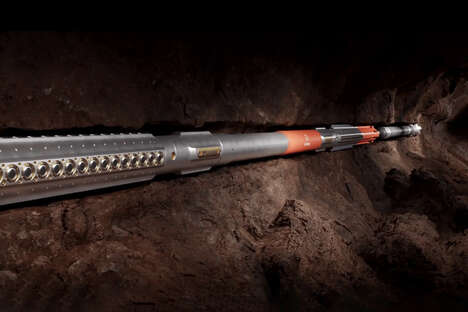
The ARC reactor -- "affordable, robust, compact reactor" -- is a nuclear fusion reactor, still in concept stage, that could allow for smaller and cheaper reactors that would make fusion power practical within the next decade.
This reactor uses new commercially available superconductors that are capable of producing high-magnetic field coils. The resulting fields do a better job at confining superhot plasma, making the reactor smaller and cheaper.
The ARC reactor looks set to go a long way towards aiding in the development of a commercially viable fusion reactor -- something which would make all conventional electricity sources obsolete. If realized, these sorts of reactors would offer an unlimited source of power, improving every single aspect of human existence.
Key Themes Behind This Trend
- Affordable Nuclear Fusion Power
- The ARC reactor design offers a more practical and cost-effective solution for nuclear fusion power, paving the way for unlimited and sustainable energy.
- Advancements in Superconductor Technology
- The use of new commercially available superconductors in the ARC reactor design enables improved magnetic field coils, revolutionizing nuclear fusion technology.
- Compact and Efficient Nuclear Reactor Designs
- The ARC reactor's compact size and enhanced plasma confinement capabilities open up new possibilities for smaller, more efficient nuclear reactor designs.
Where This Applies
- Energy
- The ARC reactor has the potential to disrupt the energy industry by providing a sustainable and abundant source of power.
- Technology
- The advancements in superconductors and reactor design in the ARC reactor concept introduce disruptive innovations to the technology industry.
- Engineering
- The compact and cost-effective nature of the ARC reactor poses disruptive opportunities for the engineering industry in developing new nuclear reactor designs.