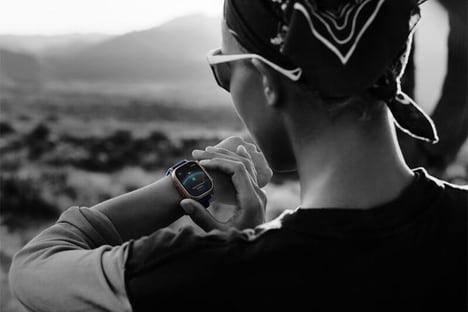
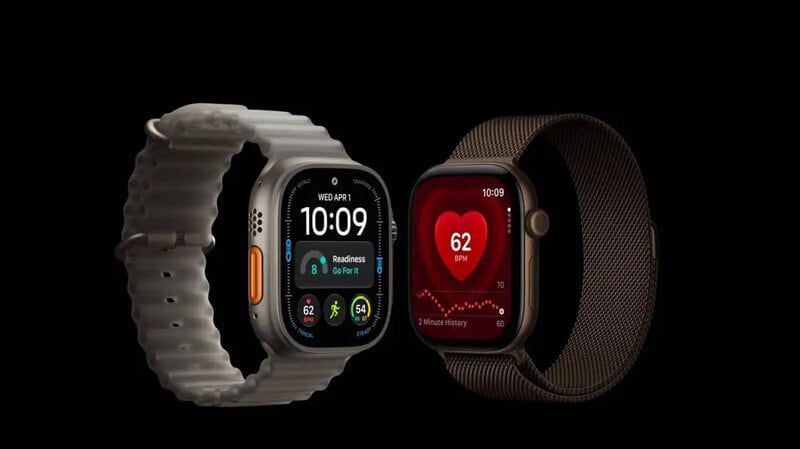
Apple introduced the Apple Watch Series 12 and Apple Watch Ultra 4, featuring upgraded biometric sensing and a new Audio Intelligence capability. The watches include an improved ECG and a heart rate sensor that measures pulse every five seconds, while tracking heart rate variability every five minutes. Apple also redesigned the Health app to provide AI-generated insights and guided workouts.
Audio Intelligence combines the watches’ microphones with AI to alert deaf users to sounds such as doorbells or alarms, generate transcripts of the previous 15 seconds of conversation, and record and summarize meetings or conversations. Apple says it doesn't store audio data and can't access it directly. The feature is powered by the new S11 ARM chip, which includes two efficiency cores, a single-core GPU and a quad-core AI accelerator.
The Series 12 starts at $399 and the Ultra 4 at $799, with shipping beginning Sept. 18. The Ultra 4 is expected to provide more than two days of battery life, supporting longer fitness tracking and continuous health monitoring.
Image Credit: Apple
What's Driving This Trend
- AI-powered Health Insights
- Personalized wellness platforms are evolving through on-device intelligence that turns biometric data into real-time recommendations, creating space for more predictive and preventive consumer health services.
- Accessible Audio Wearables
- Smartwatch-based sound detection and transcription expands assistive technology into everyday devices, opening new possibilities for inclusive communication tools and safety alerts.
- Continuous Biometric Monitoring
- Longer battery life and frequent sensor readings make passive health tracking more practical, enabling data-rich services for fitness, chronic care, and early risk detection.
Who This Affects Most
- Wearable Technology
- Advanced sensors, AI chips, and health-focused software are reshaping wearables into multifunctional personal health companions beyond basic activity tracking.
- Digital Health
- AI-generated health summaries and guided workouts strengthen the link between consumer devices and remote care models, supporting more personalized patient engagement.
- Assistive Technology
- Embedded audio recognition and transcription features bring accessibility functions into mainstream electronics, reducing dependence on specialized standalone devices.