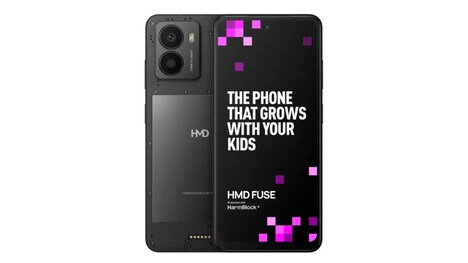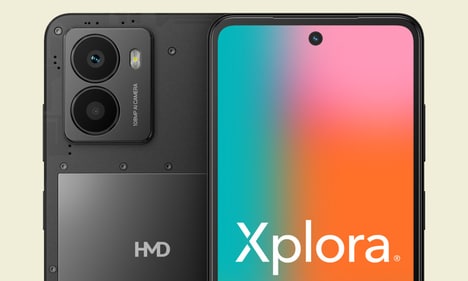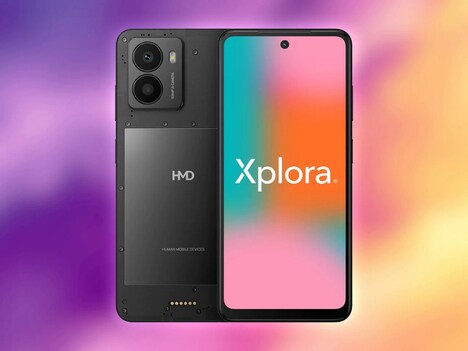
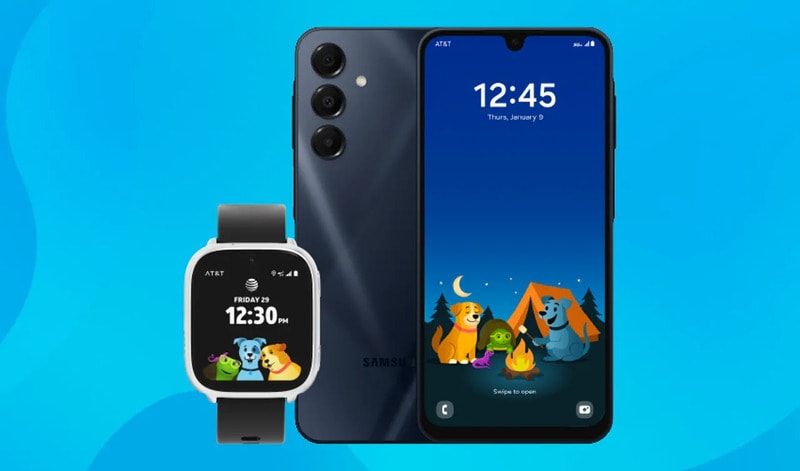
AT&T introduced the amiGO Jr. phone, a carrier-designed smartphone for children made in collaboration with Samsung, featuring native parental controls built into the device. Priced at $3 a month plus service, the handset offers budget-phone specs and a camera suitable for everyday use.
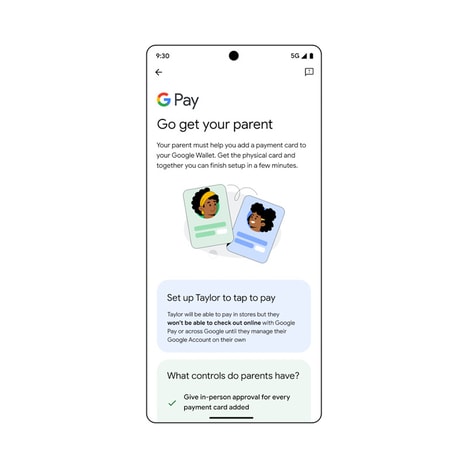
The phone includes location tracking with arrival/departure alerts, screen-time limits, contact and content controls, and IP54 water and dust resistance. Parents manage settings through a dedicated app available on Android and iOS, and AT&T also rolled out the amiGO Jr. Watch 2 as a complementary wearable for location and contact oversight.
For caregivers deciding when to give a child a phone, the amiGO Jr. centralizes controls so features operate smoothly without relying on third-party apps. Its low monthly cost and integrated management align with trends toward family-focused, carrier-backed devices that simplify digital parenting.
Image Credit: AT&T
What's Driving This Trend
- Integrated Parental Controls
- Parental control features that are natively integrated into devices represent a shift towards seamless and comprehensive child safety in technology.
- Carrier-designed Devices
- Carrier collaborations to design devices indicate a new era of tailored mobile solutions that address specific consumer demands.
- Budget Smartphones for Kids
- Increasing demand for affordable child-friendly devices underscores the market potential for cost-effective solutions that don’t compromise on essential safety features.
Who This Affects Most
- Telecommunications
- The move towards child-focused telecommunications products highlights an emerging segment within the industry catering to family-specific needs.
- Consumer Electronics
- Innovations in child-friendly gadgets with built-in safety features are redefining the consumer electronics landscape.
- Mobile Applications
- The development of apps to manage smartphone usage reflects the growing integration of software solutions within child-oriented hardware.