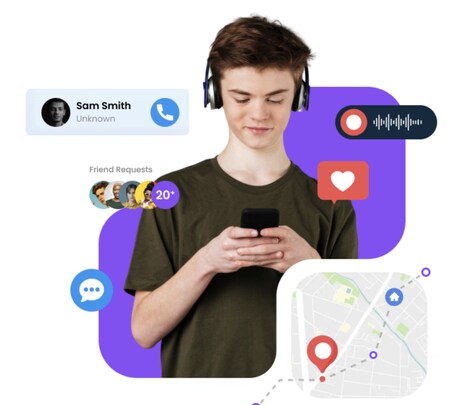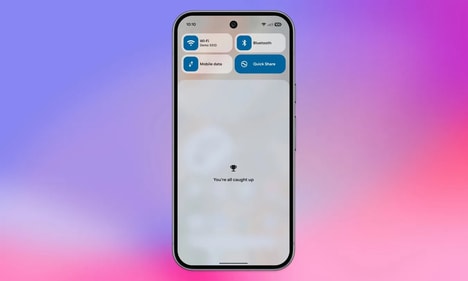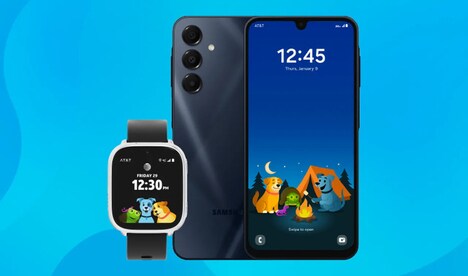
Built-in digital wellbeing is reshaping how mobile operating systems support families by embedding parental controls and screen management tools directly into device settings. With Android 17, Google is expanding native controls that allow parents to manage screen time, create downtime schedules, filter app content, and limit app usage without relying on separate software. Combined with Google Family Link integration and continued investment in digital wellbeing initiatives, these features make family safety and healthy technology habits a core part of the Android experience.
For technology companies, integrating wellbeing features at the operating system level can strengthen user trust and differentiate devices in an increasingly competitive market. Built-in parental controls also encourage long-term platform loyalty by making it easier for families to manage multiple devices within one ecosystem. As regulators, educators, and parents place greater emphasis on children's online experiences, native digital wellbeing capabilities could become a key factor influencing consumer purchasing decisions and platform adoption.
Image Credit: Google
Why This Trend Is Growing
- Native Parental Controls
- Parental controls embedded directly into operating systems create new differentiation around trust, convenience, and family-first device experiences.
- Os-level Digital Wellbeing
- Screen-time dashboards, downtime scheduling, and app limits built into core settings signal a shift toward wellbeing as a default platform feature.
- Family Ecosystem Loyalty
- Unified management across children’s devices strengthens long-term platform attachment by making household technology oversight simpler and more consistent.
Industries Being Reshaped
- Mobile Operating Systems
- Operating system providers have an opening to compete on safety, usability, and regulatory readiness as native wellbeing tools influence platform choice.
- Consumer Electronics
- Device manufacturers gain new value propositions when phones, tablets, and connected devices arrive with family safety features already integrated.
- Digital Safety Software
- Standalone parental control providers face pressure to evolve toward advanced analytics, cross-platform monitoring, and specialized child protection services.