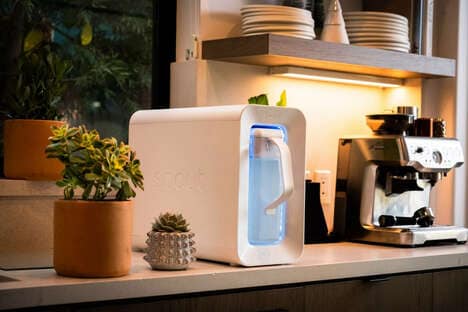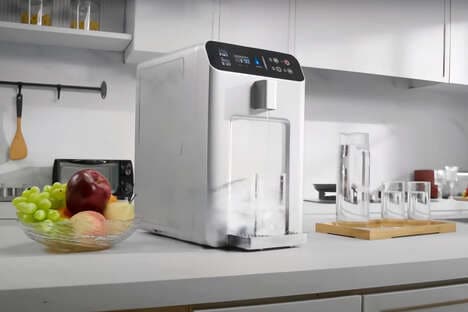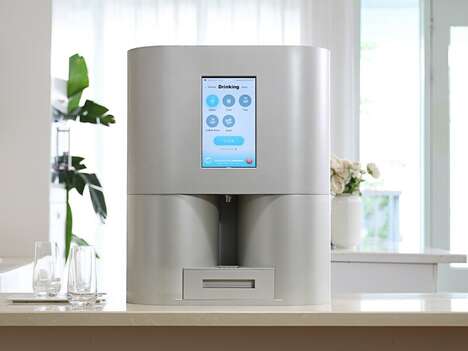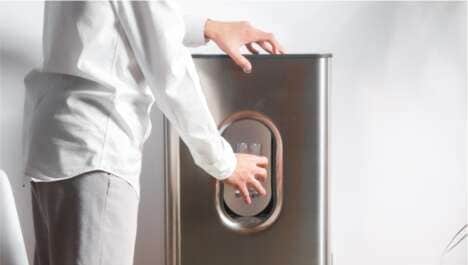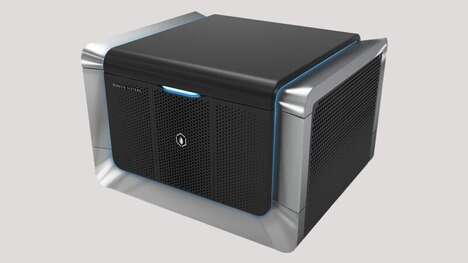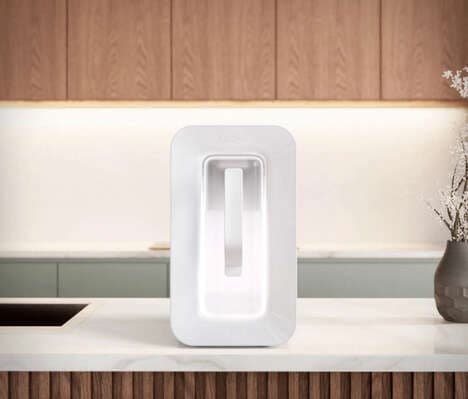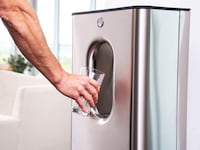
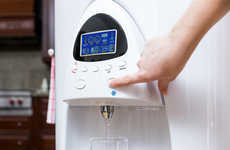
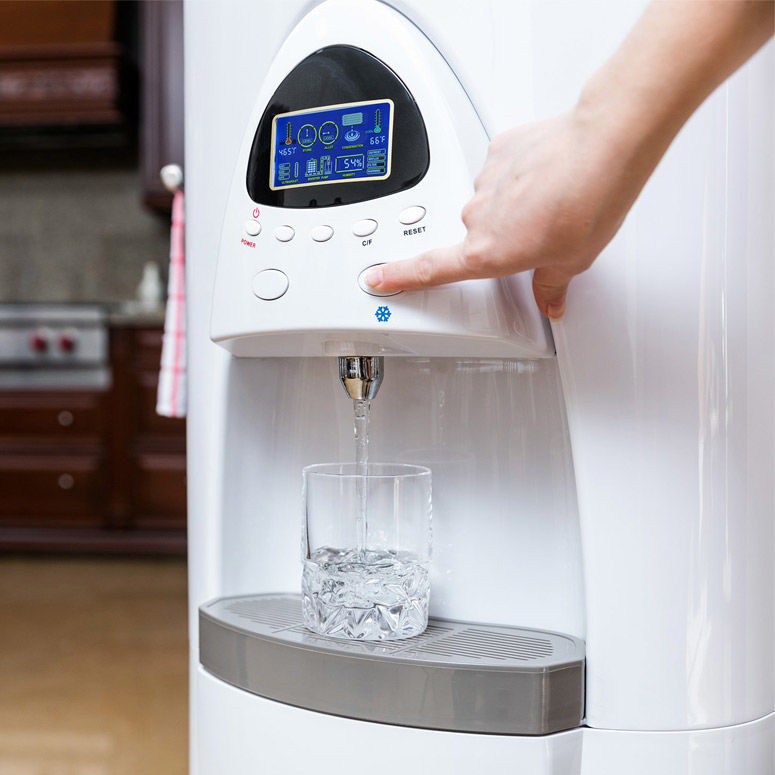
The Innovaqua Nube SS30 air-to-water generator is an eco water cooler alternative that's capable of capturing ambient moisture from the air and delivering crisp, clean H2O on demand. The unit is capable of dehumidifying a space and will capture up to 30 liters of water per day that can be accessed seamlessly just like a conventional water cooler. The system promises to deliver 100% pure water that is ionized, alkaline and mineralized, while also being free from fluoride, chlorine and other unwanted particles.
The Innovaqua Nube SS30 air-to-water generator works by harnessing water before sending it past a UV light for treatment, through an activated carbon filter, a reverse osmosis membrane and a mineralization filter for naturally enhancing H2O.
Why This Trend Is Growing
- Eco Air-to-water Generation
- The development of eco-friendly air-to-water generators satisfies the demand for clean drinking water without relying on traditional sources of water.
- Dehumidification Technology
- The implementation of dehumidification technology in air-to-water generators can revolutionize the way we acquire and consume drinking water while also addressing humidity-related problems in enclosed spaces.
- Water Purification Innovation
- The advancement of water purification technology in air-to-water generators presents opportunities for disruption in the traditional water supply, filtration, and delivery industries.
Industries Being Reshaped
- Water Filtration Industry
- The water filtration industry can leverage air-to-water generators as a new and sustainable source of drinking water, and incorporate the latest water purification technology to improve existing products.
- Sustainability Industry
- Air-to-water generators present potential opportunities for sustainable business ventures as a source of clean drinking water that doesn't rely on traditional resources, while also promoting environmental conservation.
- Healthcare Industry
- The healthcare industry can utilize air-to-water generators to provide clean drinking water to patients, staff, and visitors in areas where traditional water sources may not be readily available, such as remote areas or disaster zones.