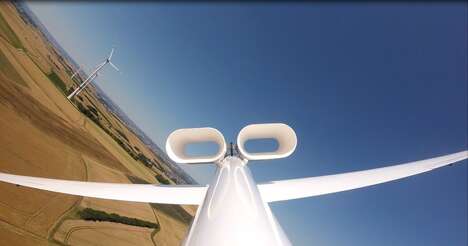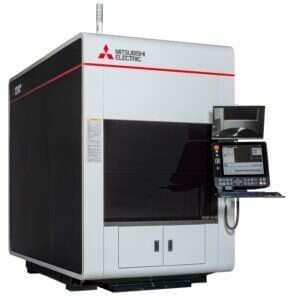
General Electric Aviation has gone ahead and developed an exceptionally high-tech airplane engine that is unique in that over a third of its parts are 3D-printed.
In addition to being a great demonstration of the utility of 3D-printing in aviation engineering, this Advanced Turboprop engine also benefits from a fuel efficiency boost as well as 5 percent savings in terms of weight. The airplane engine was developed in an exceptionally short time frame due to the fact that 3D-printing components can be prototyped faster. What's more, the end result features a more streamlined design that allows for easier repair and maintenance.
Speedy in development as well as performance, this Advanced Turboprop engine shows the increasing importance of modern 3D printing technologies in the world of aircraft engine design.
What Makes This Trend Stand Out
- 3d-printed Airplane Components
- The growing use of 3D-printing is providing a valuable opportunity for companies to develop more efficient and streamlined airplane engines.
- Fuel Efficiency in Aircraft Engines
- The benefits of fuel efficiency in airplane engines are encouraging companies to embrace innovative engine designs.
- Rapid Prototyping in Aviation Engineering
- The use of rapid prototyping provides a unique opportunity to develop airplane engines at a faster pace.
Sectors Adopting This
- Aerospace Engineering
- The aerospace engineering industry stands to benefit from increased adoption of 3D-printing technology in developing lighter and more efficient airplane engines.
- 3D Printing Industry
- The growing demand for 3D-printed airplane engine components creates a promising market for the 3D printing industry.
- Green Aviation
- The push for greater fuel efficiency in aircraft engines is driving innovation in the green aviation industry, creating opportunities for companies to develop eco-friendly engine designs.