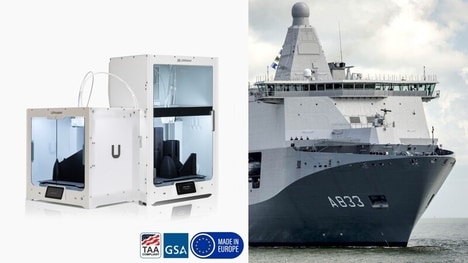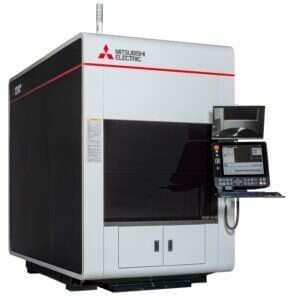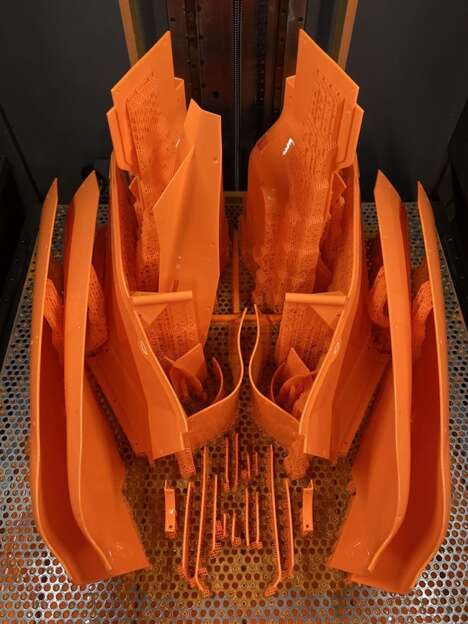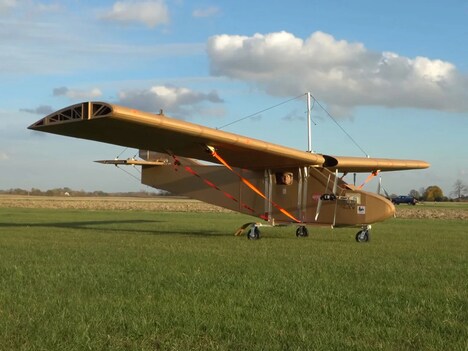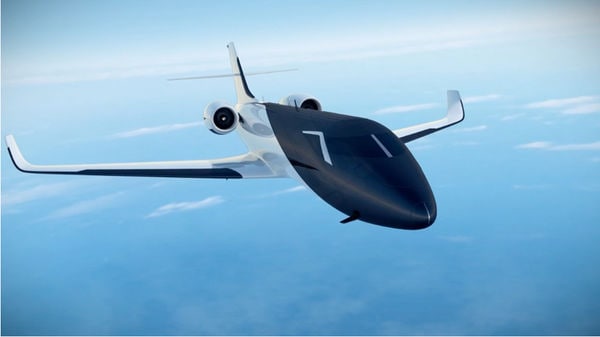


Setting aside conventional methods in favor of newer, cutting-edge techniques, the Airbus A380 has eschewed hand-crafted parts in favor of components produced by 3-D printers.
Considering the money, lives and components that are at stake during the flight of a modern airplane, it's important that the construction process ensures the safety and infallibility of each piece. At this point, and considering recent tragedies, relying on humans to build the nuts and bolts of an Airbus seems illogical. Embracing the future and its benefits, the newest Airbus A380's construction is almost entirely automated, with parts being produced by laser-etching printers. These new components are not only more detailed, but lighter and stronger than human alternatives!
In the past five years, we've seen self-piloting planes. Today, we witness the emergence of self-assembling planes. Don't say I didn't warn you when SkyNet finally takes over!
What's Driving This Trend
- Automated Airplane Construction
- Using 3-D printers for producing airplane components allows for a safer, more efficient and automated construction process.
- Lightweight and Strong Components
- The use of 3-D printed components in airplane construction results in lighter and stronger parts compared to traditional human-made ones.
- Disruptive Innovation in Aerospace
- The adoption of 3-D printing technology in airplane manufacturing represents a disruptive innovation in the aerospace industry.
Who This Affects Most
- Aerospace Manufacturing
- The aerospace manufacturing industry can leverage 3-D printing technology for safer and more efficient airplane construction.
- 3-D Printing
- The use of 3-D printers in airplane manufacturing creates new opportunities for the 3-D printing industry to expand its applications.
- Automation Technology
- The automated construction process in airplane manufacturing presents opportunities for the automation technology industry to develop and implement new solutions.