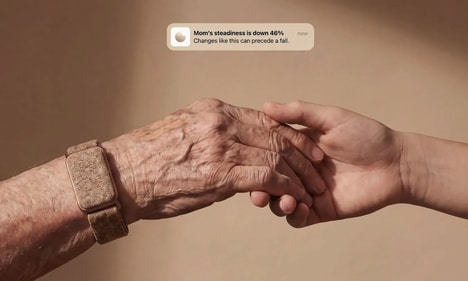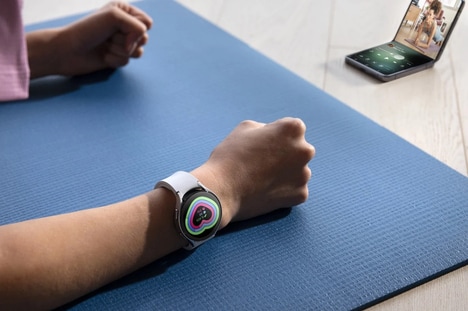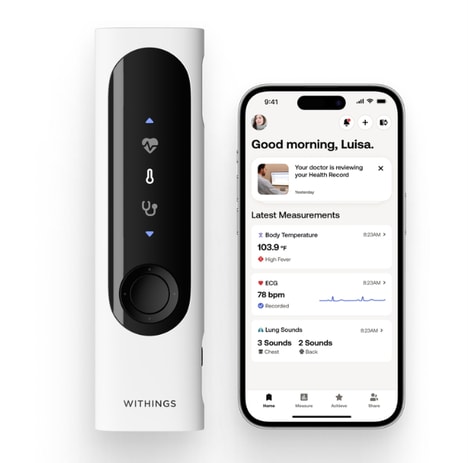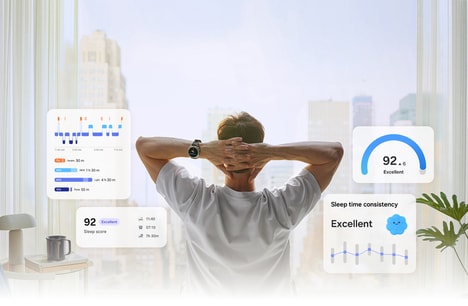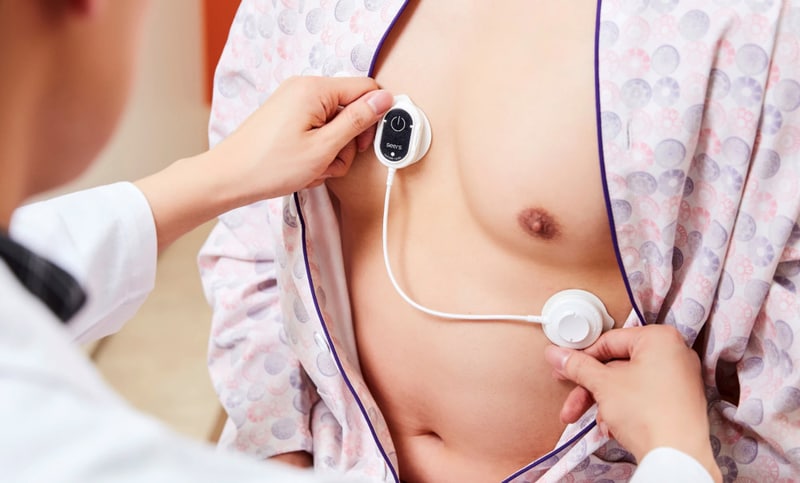
AI wearable diagnostics are moving healthcare beyond episodic testing by enabling continuous heart monitoring through compact, AI-powered devices. SEERS’ FDA-cleared mobiCARE Cardiac Monitoring System combines wearable ECG technology with AI-assisted analysis, allowing patients to monitor heart rhythms over extended periods while supporting remote clinical evaluation. By pairing long-term data collection with digital health services, the platform aims to detect arrhythmias earlier and improve access to outpatient cardiac care.
For healthcare providers, this approach can reduce reliance on in-clinic monitoring while expanding access to diagnostic services for aging populations and patients with chronic cardiovascular conditions. AI-assisted wearables also create opportunities to streamline clinical workflows, improve diagnostic accuracy, and increase patient engagement through convenient at-home monitoring. As reimbursement pathways and regulatory approvals expand, clinically validated wearable diagnostics are positioned to become an increasingly important component of preventive and remote healthcare delivery.
Image Credit: SEERS
What Makes This Trend Stand Out
- Continuous Cardiac Monitoring
- Always-on wearable ECG systems are shifting diagnostics from short clinical snapshots to longitudinal rhythm data that can reveal earlier signs of cardiac risk.
- AI-assisted Clinical Analysis
- Machine learning–supported interpretation of wearable health data creates new potential for faster triage, improved accuracy, and reduced clinician workload.
- Remote Preventive Care
- At-home diagnostic platforms are expanding preventive healthcare models by connecting patients, providers, and reimbursable monitoring services outside traditional facilities.
Sectors Adopting This
- Digital Health
- Clinically validated AI wearables are strengthening digital care ecosystems that combine connected devices, remote monitoring, and virtual clinical support.
- Medical Devices
- Compact FDA-cleared diagnostics are redefining device innovation through software-enabled hardware designed for continuous, patient-friendly monitoring.
- Cardiology
- Long-term wearable rhythm tracking is creating new pathways for outpatient cardiac assessment, chronic disease management, and earlier arrhythmia detection.