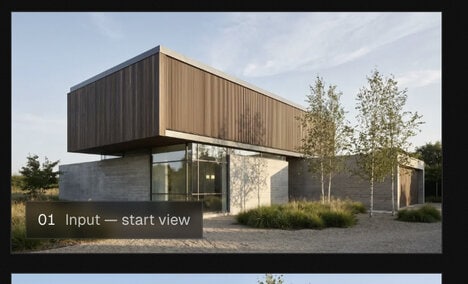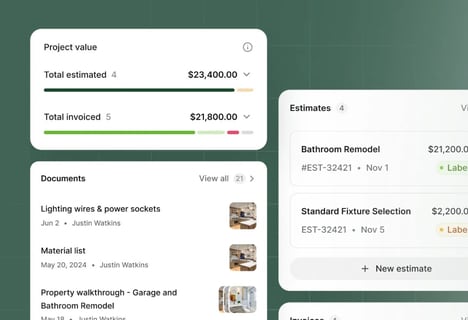
Blueprints AI is expanding its AI drafting capabilities with a second-generation blueprint service that lets architecture, engineering, and design firms start from a project description or sketch and produce permit-ready building plans in minutes. The Santa Monica company also integrates revision tools into the same workflow, so users can change a design without redrawing every sheet.
Version 2 carries a single update through the full project and checks it against local codes, which trims repetitive coordination across plan sets. Early customers are already using it, and public access begins this week. Licensed architects still review the documents and apply their seal before permit submission.
Public availability this week gives developers and real estate owners a faster way to test and revise projects before filing, while keeping human sign-off in place. A single edit that updates the whole set turns AI drafting from a concept generator into a practical pre-construction workflow.
Image Credit: Blueprints AI
What Makes This Trend Stand Out
- AI-powered Drafting
- Automated blueprint generation compresses early design cycles, creating space for firms to deliver permit-ready documentation faster while preserving licensed professional oversight.
- Code-aware Design
- Built-in local code checks reduce coordination friction across plan sets, signaling a shift toward compliance embedded directly within pre-construction software.
- Integrated Revision Workflows
- Single-edit updates across complete drawing packages make iterative planning more efficient, unlocking new value in rapid feasibility testing for developers and owners.
Sectors Adopting This
- Architecture Services
- AI-assisted plan production reshapes how studios allocate drafting labor, with competitive advantage emerging around faster concept-to-permit workflows.
- Construction Technology
- Pre-construction platforms gain strategic importance as automated drafting, revision, and code validation converge into practical project-delivery infrastructure.
- Real Estate Development
- Faster plan iteration supports more agile site evaluation and entitlement preparation, giving owners improved visibility before committing to costly permitting stages.