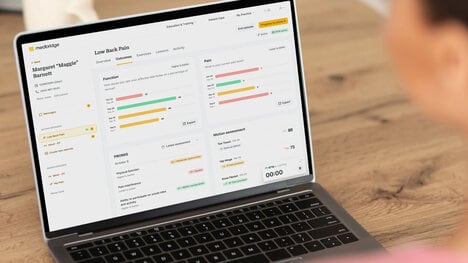
AI-integrated medical records are expanding across Ontario as MEDFAR's MYLE platform receives OntarioMD certification. The approval allows healthcare providers to connect electronic patient records with provincial laboratory and hospital reporting systems, while accessing automated tools designed to simplify everyday clinical responsibilities.
MYLE combines four AI capabilities within one platform, including real-time consultation note drafting, automated paperwork completion, document organization, and appointment scheduling through a virtual call agent. Integration with Ontario's laboratory and hospital reporting services also allows physicians to receive important patient information directly within their existing workflows.
For MEDFAR, certification could create growth opportunities as Ontario invests $3.4 billion in expanding primary care access and developing approximately 300 team-based clinics. Healthcare organizations may benefit from reduced administrative demands, improved access to medical information, and more time for patient care, supporting broader adoption of connected clinical technology.
Image Credit: AI-generated
Why This Trend Is Growing
- AI Clinical Administration
- Automated note drafting, paperwork completion, and scheduling within medical record systems highlight a shift toward reducing clinician workload through embedded intelligence.
- Connected Patient Data
- Provincial lab and hospital reporting integrations create room for unified care environments where patient information moves more seamlessly across healthcare settings.
- Virtual Care Operations
- AI-enabled call agents and workflow tools signal growing interest in digital infrastructure that supports clinic capacity without relying solely on additional staff.
Industries Being Reshaped
- Healthcare Technology
- Certified AI medical record platforms are reshaping competitive expectations for software vendors serving primary care and clinical administration.
- Primary Care
- Team-based clinic expansion and administrative automation point to new service models centered on faster access, coordinated records, and improved physician efficiency.
- Digital Health Infrastructure
- Government investment in connected care systems strengthens demand for interoperable platforms that bridge patient records, reporting networks, and clinical workflows.