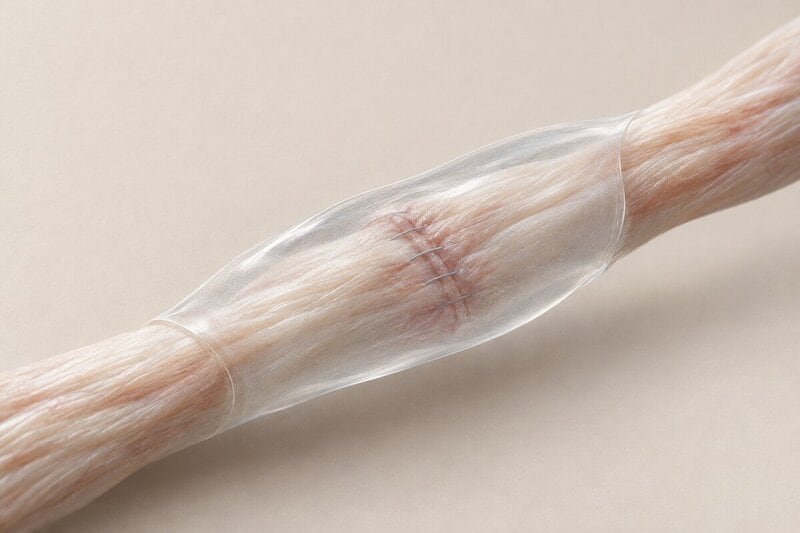
Absorbable surgical gels are expanding tissue protection options as Fziomed receives FDA clearance for its Dynavisc Tendon Protector in the United States. The fully synthetic gel is designed to protect tendons, ligaments, and skeletal muscles following surgery. Applied directly to exposed tissues, it forms a temporary barrier that helps prevent surrounding tissues from adhering during recovery.
Developed using proprietary dual-polymer technology, Dynavisc offers a ready-to-use formulation that simplifies application for surgeons. The gel gradually absorbs during healing and may help preserve movement while reducing postoperative discomfort. Already available internationally for over a decade, the product has been used in more than 50,000 patients worldwide.
For Fziomed, FDA clearance creates opportunities to expand its surgical biomaterials business across the United States. Healthcare providers may also benefit from additional treatment options that support functional recovery and integrate easily into existing surgical procedures.
Image Credit: AI-generated
What Makes This Trend Stand Out
- Absorbable Barrier Gels
- Temporary synthetic barriers are redefining postoperative care by reducing tissue adhesion risks while disappearing naturally during the healing process.
- Ready-to-use Biomaterials
- Pre-formulated surgical materials create efficiency gains in operating rooms by simplifying application and integrating smoothly into established procedures.
- Functional Recovery Protection
- Recovery-focused tissue protection technologies support improved mobility outcomes by preserving movement and minimizing postoperative discomfort.
Sectors Adopting This
- Surgical Biomaterials
- Advanced polymers are expanding the market for implant-adjacent products that protect tissue without requiring permanent placement.
- Orthopedic Surgery
- Tendon, ligament, and muscle protection solutions are creating new value in procedures where adhesion prevention can influence long-term function.
- Medical Devices
- FDA-cleared synthetic gels illustrate how specialized device categories can grow through clinically practical products with global usage histories.