MIT engineers introduced Extreme Event Aware, or η-learning, an AI forecasting tool designed to generate plausible extreme weather events without requiring examples of those exact disasters in its training data. Developed by Kai Chang and Professor Themis Sapsis, the method combines statistical information about event intensity with spatial maps to model extremes beyond the historical record.
The researchers tested the approach using 25 years of hourly precipitation data across the continental U.S. The spatial model was trained on maps from only the first six months of that record, while broader point statistics constrained the severity of generated events. The system can produce maps showing statistically plausible storms with different intensities, durations and areas of impact.
For planners and infrastructure operators, the tool could help stress-test systems against rare scenarios that have never been directly observed, supporting preparation for extreme rainfall, floods, heatwaves and other hazards as relevant data becomes available.
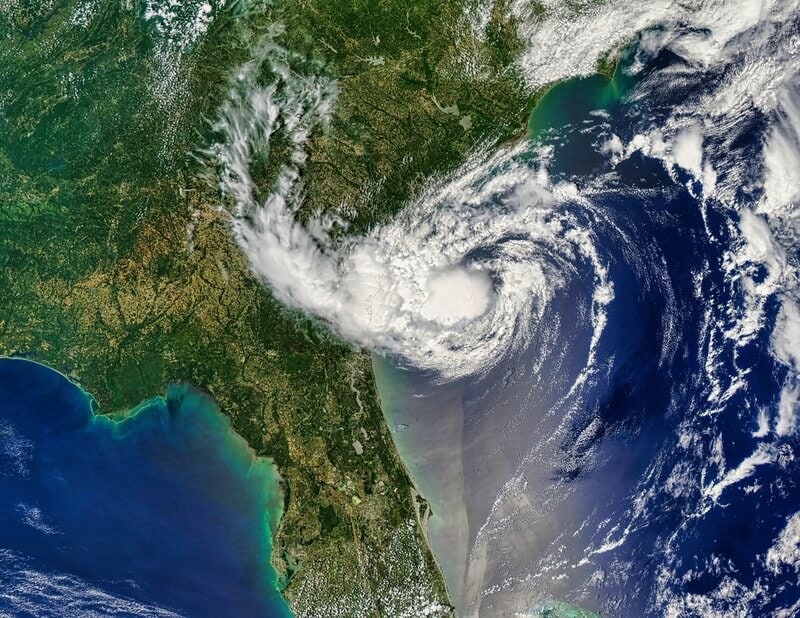
Image Credit: Shutterstock/BEST-BACKGROUNDS
Why This Trend Is Growing
- Physics-guided AI Forecasting
- Hybrid models that combine scientific constraints with machine learning create new potential for predicting rare climate events beyond historical datasets.
- Synthetic Extreme Scenarios
- Generated disaster simulations give planners access to plausible high-impact events that can improve infrastructure risk modeling and resilience planning.
- Climate Stress-testing Platforms
- Advanced forecasting systems are expanding decision support for utilities, insurers and governments facing unprecedented weather volatility.
Industries Being Reshaped
- Climate Technology
- Physics-aware AI tools introduce new value in climate adaptation by translating sparse environmental data into actionable risk intelligence.
- Infrastructure Planning
- Rare-event modeling strengthens long-term asset design by revealing vulnerabilities to floods, heatwaves and storms that have not yet occurred.
- Insurance and Reinsurance
- Synthetic catastrophe forecasting enhances risk pricing and portfolio analysis for markets exposed to increasingly unpredictable extreme weather losses.