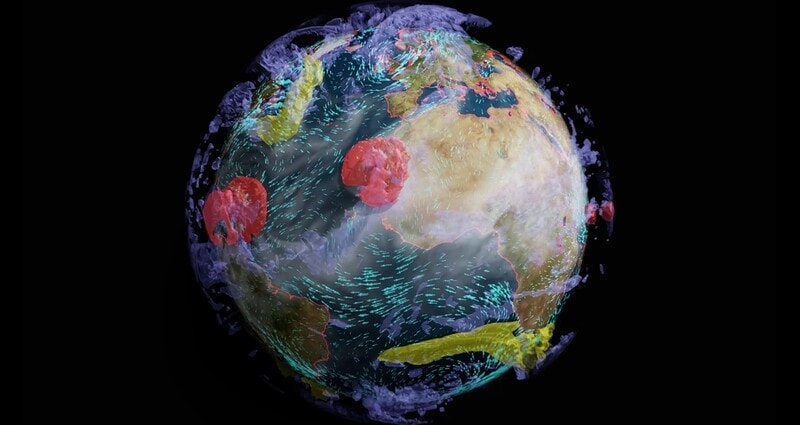
Nvidia has expanded its Earth-2 platform with three AI-powered weather models that aim to boost forecast speed and precision for a wide range of users. Unveiled at the American Meteorological Society meeting in Houston on January 26, 2026, the suite centers on the Earth-2 Medium Range model, which Nvidia says outperforms Google DeepMind’s GenCast on dozens of forecast variables. Built on Nvidia’s new Atlas architecture, the tools are designed to replace complex, niche systems with more streamlined transformer-based models.
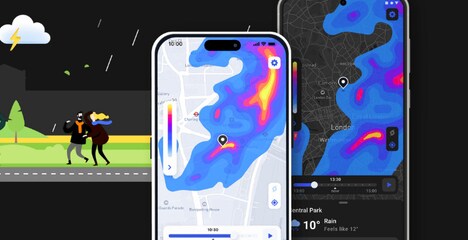
The portfolio also includes a Nowcasting model that focuses on 0- to 6-hour forecasts and a Global Data Assimilation model that rapidly compiles real-time atmospheric snapshots. Nowcasting is trained on global geostationary satellite imagery, allowing it to be applied wherever robust satellite coverage exists. The Global Data Assimilation model shifts a traditionally supercomputer-heavy process to GPUs, cutting processing times from hours to minutes and reducing computing loads.
For users, these tools broaden access to high-quality weather intelligence that was once limited to wealthy nations and major corporations. Governments, utilities, and financial firms can tap into Earth-2 components to refine their own forecasting systems or services. This shift toward faster, more scalable AI weather pipelines supports better planning around severe storms, energy management, and climate-sensitive operations without requiring bespoke supercomputing infrastructure.
Image Credit: Nvidia
Why This Trend Is Growing
- AI-powered Weather Forecasting
- The adoption of AI models like Nvidia's Earth-2 enables a leap in forecast accuracy and speed, showcasing potential in transforming weather prediction methods.
- Nowcasting Advancements
- Rapid, real-time forecasts from models like Nvidia's Nowcasting are setting new standards in short-term meteorological predictions, enhancing decision-making capabilities in vulnerable sectors.
- Gpu-optimized Data Processing
- The shift to GPU-based processing for Global Data Assimilation exemplifies a disruptive move towards more efficient and scalable weather data management.
Industries Being Reshaped
- Meteorology
- The integration of AI and GPU technologies into meteorology offers transformative prospects for enhanced precision and speed in weather prediction.
- Utilities
- AI weather models present utilities with refined tools for energy management and storm preparation, reducing operational risks and costs associated with extreme weather.
- Financial Services
- Financial firms stand to gain from AI-powered weather forecasting by improving the accuracy of climate-sensitive investment models and risk assessments.