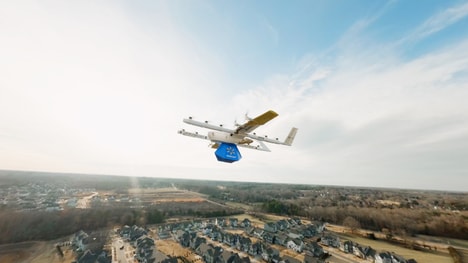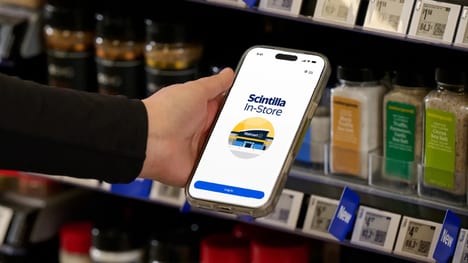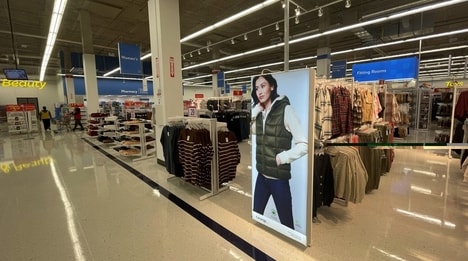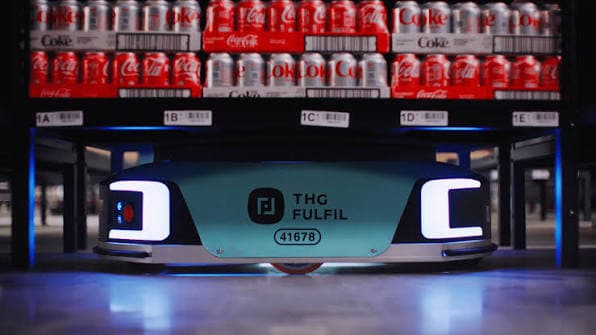
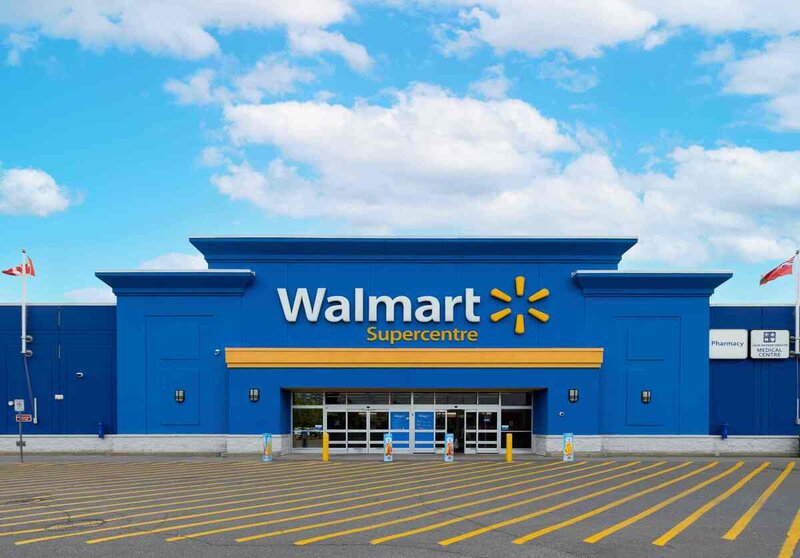
Walmart Canada introduced a proprietary AI-powered storm rerouting agent designed to anticipate and manage weather-related transportation disruptions across its supply network. The system cross-references 10-day forecasts with real-time highway and ferry closures, carrier data and other operational signals to identify potential delivery risks before they affect stores.
The tool is particularly useful in remote regions such as Newfoundland, where ferry operations, ocean conditions and limited transportation routes can create significant supply challenges. Walmart Canada pairs the agent with its 24/7 global command center, digital twin technology and simulation tools to model how weather could affect demand, inventory placement, fulfillment capacity and transportation pathways.
For consumers, the technology can help reduce stockouts and delivery delays by giving logistics teams more time to reroute shipments and reposition inventory. The system reflects growing retailer investment in AI-enabled supply chains designed for resilience and faster disruption response.
Image Credit: Walmart Canada
Key Themes Behind This Trend
- Predictive Supply Rerouting
- AI systems that merge weather, infrastructure and carrier data create new value in logistics by preventing disruptions before they cascade across retail networks.
- Resilient Retail Operations
- Digital twins and command centers are reshaping store replenishment by enabling more adaptive inventory placement during climate and transportation volatility.
- Remote Market Continuity
- Technology built for hard-to-serve regions highlights opportunities for specialized logistics platforms that maintain product availability despite limited routes and weather exposure.
Where This Applies
- Retail Logistics
- Advanced forecasting and automated route planning are transforming fulfillment networks into proactive systems that protect shelf availability and customer reliability.
- Artificial Intelligence
- Operational AI agents are expanding beyond analytics into decision-support infrastructure that interprets live risk signals and models supply chain outcomes.
- Transportation Technology
- Connected freight, ferry and highway data ecosystems support more dynamic routing services for carriers navigating increasingly unpredictable weather conditions.