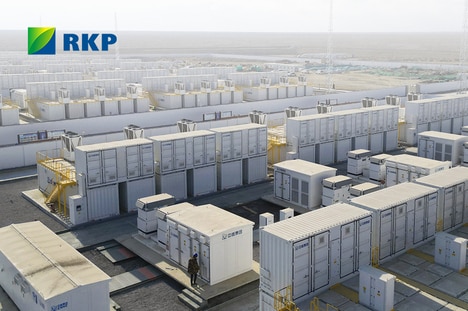
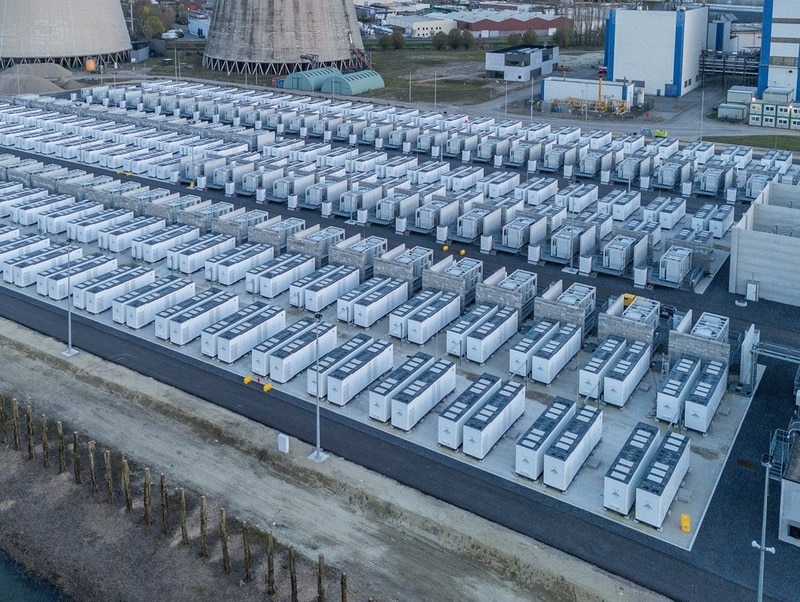
Utility-scale battery systems are becoming increasingly important as energy providers work to strengthen grid reliability and support the growth of renewable power generation. Ford Energy's DC Block is a containerized battery energy storage system designed for applications such as frequency regulation, peak load shifting, backup power, and microgrid support. Through a new agreement with EDF power solutions, the company will help supply large-scale energy storage capacity for grid projects across North America.
The growing adoption of battery storage reflects increasing demand for infrastructure that can balance intermittent renewable energy sources while maintaining consistent electricity delivery. As utilities and developers expand their energy storage portfolios, demand for domestically manufactured battery systems is likely to rise. This shift could create new opportunities for battery suppliers, energy developers, and grid operators while supporting greater energy resilience. Large-scale storage deployments may also help accelerate renewable energy adoption by improving flexibility, reliability, and long-term grid performance.
Image Credit: DirkVG / Shutterstock.com
Key Themes Behind This Trend
- Containerized Grid Storage
- Modular, transportable battery containers enable rapid deployment of utility-scale storage capacity in constrained or remote grid locations, creating space for novel siting and logistics models.
- Domestic Battery Manufacturing
- Onshoring large-format battery production is increasing, which could reshape supplier networks and reduce dependency on international supply chains.
- Renewable Integration Via Large-scale Storage
- High-capacity storage systems are smoothing variability from wind and solar at scale, enabling new operational paradigms for balancing and long-duration resilience.
Where This Applies
- Utilities and Grid Operators
- Grid operators are positioned to incorporate distributed containerized assets into resource planning, altering reserve market dynamics and grid reliability strategies.
- Battery Manufacturing and Supply Chain
- Manufacturers and component suppliers face opportunities to standardize modular systems and localize production to meet growing utility procurement requirements.
- Renewable Energy Developers
- Developers of wind and solar projects are increasingly pairing plants with multi-megawatt storage, which changes project economics and long-term power delivery profiles.