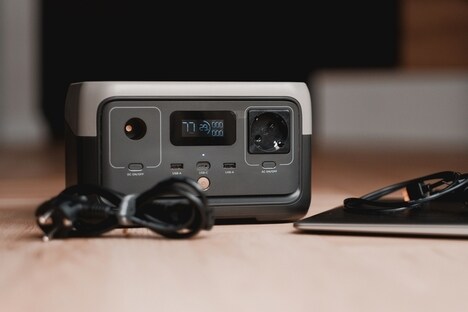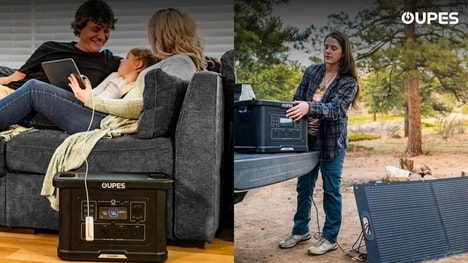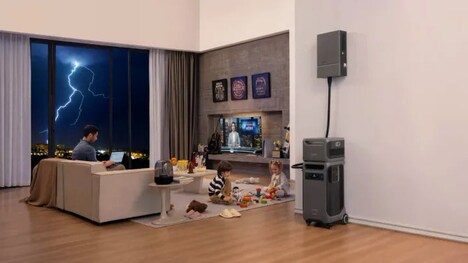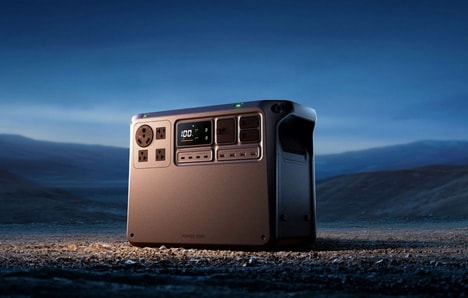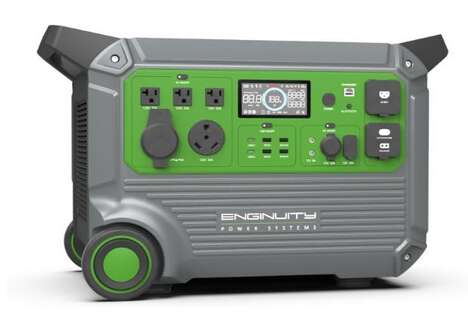
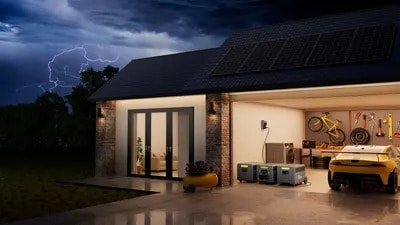
FOSSiBOT has introduced a high-capacity portable power station to the United States market. This launch is characterized by a substantial base energy storage of over five kilowatt-hours that can be significantly increased through modular add-on batteries.
Dubbed the F7200 model, FOSSiBOT's high-capacity portable power station is engineered to deliver a continuous output of 7200 watts. It is designed to support a wide array of household appliances and power tools. The innovation features dual voltage capability alongside multiple recharging methods — including adjustable grid charging and high-wattage solar input — with a claimed rapid full recharge time. Integrated smart technology allows for energy monitoring and the optimization of solar power utilization, while the system incorporates a lithium iron phosphate battery chemistry and a multi-faceted protection architecture designed for safety and longevity.
Image Credit: FOSSiBOT
Key Themes Behind This Trend
- Modular Energy Solutions
- The trend of modular add-on batteries in portable power stations allows for scalable energy storage solutions tailored to consumer needs.
- Smart Energy Management
- Power stations with integrated smart technology provide real-time energy monitoring and optimization, enhancing solar power efficiency.
- Advanced Battery Chemistry
- The use of lithium iron phosphate in power stations signifies a shift towards safer and longer-lasting energy storage options.
Where This Applies
- Renewable Energy
- Incorporating high-wattage solar input in power stations exemplifies the industry's growing focus on renewable energy integration.
- Consumer Electronics
- High-capacity portable power stations are transforming how consumers use electronic devices by offering reliable off-grid power solutions.
- Home Improvement
- Power stations that support household appliances and power tools are creating new opportunities within the home improvement market.