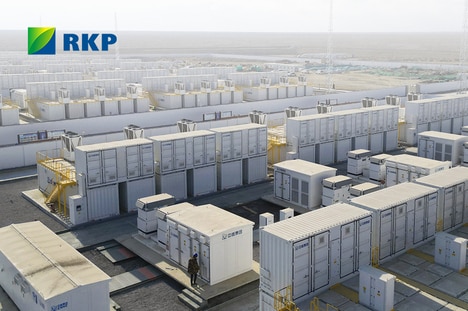
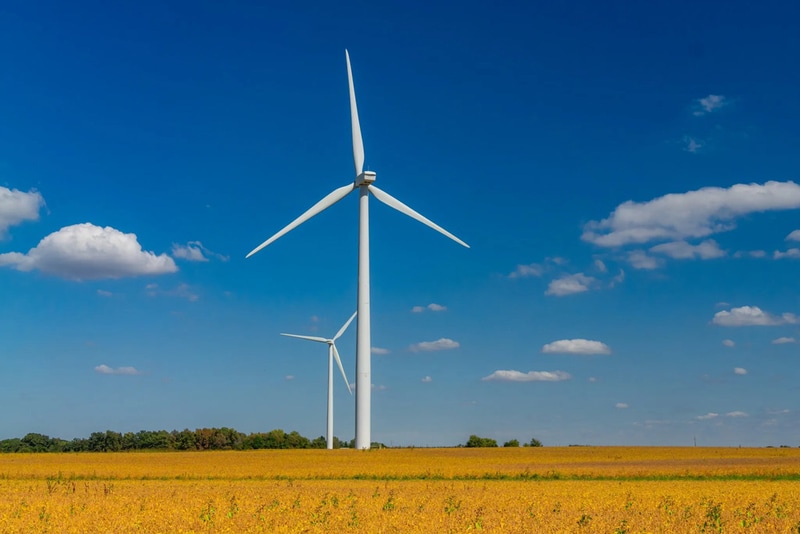
Google unveiled a Minnesota data center backed by 1.9 GW of clean power, featuring a 300-megawatt, 100-hour iron-air battery system from Form Energy designed to store wind and solar output. The site in Pine Island will pair 1.4 GW of wind and 200 MW of solar with the battery to supply sustained renewable power to the facility.
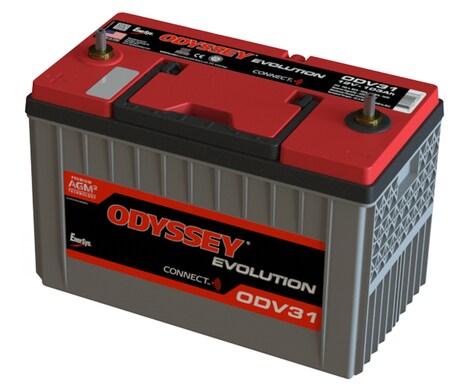
Form Energy’s cells store energy by cycling oxygen over iron, rusting to discharge and deoxidizing to recharge; the company said the 30 GWh installation will be the world’s largest battery by capacity. The chemistry trades lower round-trip efficiency for much lower projected costs per kilowatt-hour and is produced at Form’s West Virginia factory.
For consumers and grid operators, long-duration storage helps renewables provide continuous power through nights and lulls, enabling data centers to run on cleaner energy longer. The project also uses a risk-sharing tariff with Xcel Energy to fast-track unconventional clean resources while shielding ratepayers from cost exposure.
Image Credit: Marcia Straub / Getty Images
Key Themes Behind This Trend
- Long-duration Energy Storage
- Offers the ability to shift multi-day renewable generation to continuous loads, changing economics of grid reliability and capacity planning.
- Iron-air Battery Commercialization
- Introduces a low-cost, low-efficiency chemistry at utility scale that could redefine storage cost metrics and siting decisions for bulk energy projects.
- Renewable-backed Data Centers
- Pairs large-scale renewables with extended storage to enable facilities to claim sustained clean-power operation beyond short-term intermittent supply.
Where This Applies
- Data Center Operators
- Stand to alter energy procurement models and facility location strategies as long-duration storage allows predictable, emission-light power delivery.
- Utilities and Grid Operators
- May restructure tariff designs and resource planning approaches to incorporate prolonged discharge assets and risk-sharing mechanisms.
- Battery Manufacturing and Materials
- Could shift investment toward iron-based chemistries and large-scale production lines, impacting supply chains and raw material demand profiles.