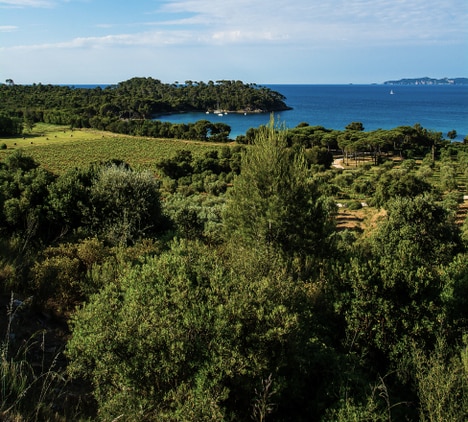
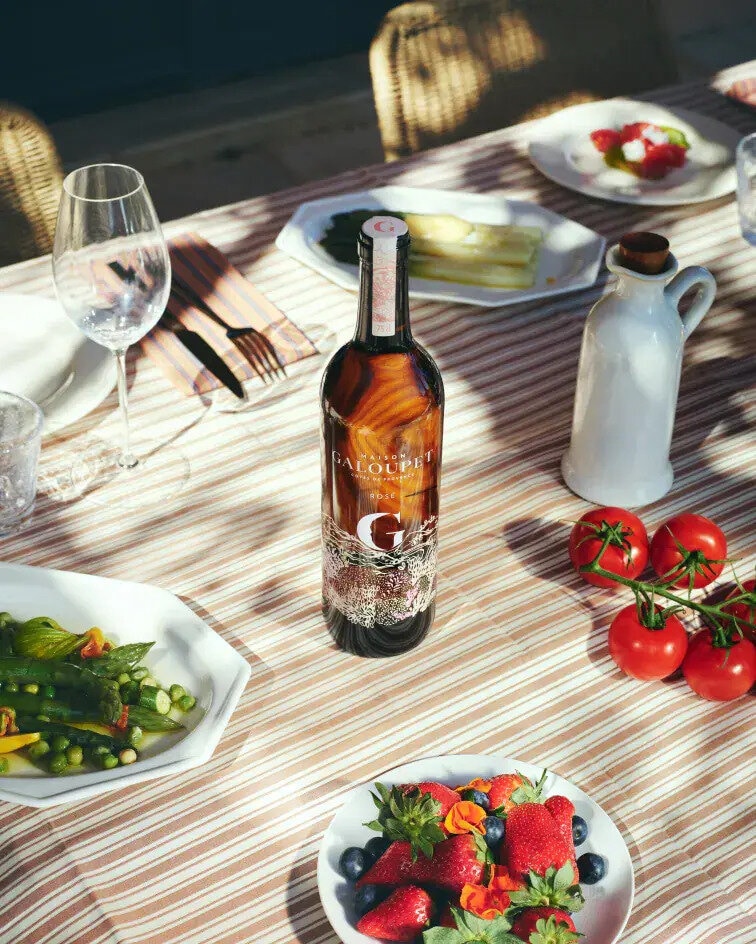
Château Galoupet released its 2025 regenerative rose following its transition to regenerative organic viticulture, featuring parcel-by-parcel vinification and a hydrology system designed to capture stormwater for emergency irrigation. Backed by LVMH, the estate has held organic certification since 2023 and regenerative organic certification since 2025, with technical director Mathieu Meyer guiding its vineyard and winemaking strategy.
For the warmer 2025 vintage, the winery adjusted its blend by using less Cinsault and more Tibouren, while combining lees from each tank for two weeks to add texture and complexity. Galoupet also uses soil-building cover crops, restored reservoirs and contour trenches to strengthen water retention. Its lower-impact packaging includes a lightweight recycled brown-glass bottle and a biodegradable wax capsule.
For consumers, the release offers a provenance-focused Provence rosé shaped by detailed vineyard work and climate-resilient practices. The vintage reflects growing demand for wines that pair terroir expression with regenerative farming and lower-impact packaging.
Image Credit: Château Galoupet
What's Driving This Trend
- Regenerative Luxury Wines
- Premium wine brands are reframing sustainability as a marker of provenance, creating space for climate-resilient vineyard models that enhance both terroir expression and brand equity.
- Water-smart Viticulture
- Stormwater capture, restored reservoirs and contour trenches point to a shift toward agricultural systems that treat water infrastructure as a core differentiator in warmer wine regions.
- Low-impact Wine Packaging
- Lightweight recycled glass and biodegradable closures signal growing potential for packaging formats that reduce environmental impact while preserving luxury cues and shelf appeal.
Who This Affects Most
- Wine and Spirits
- Producers are using regenerative certification, parcel-level vinification and adaptive blending to distinguish premium releases in an increasingly climate-conscious market.
- Sustainable Agriculture
- Soil-building cover crops and hydrology-led land management reflect emerging opportunities for scalable farming practices that improve resilience, biodiversity and resource efficiency.
- Luxury Consumer Goods
- Heritage brands are integrating verified environmental practices into product narratives, expanding the role of sustainability as a driver of exclusivity, trust and consumer preference.