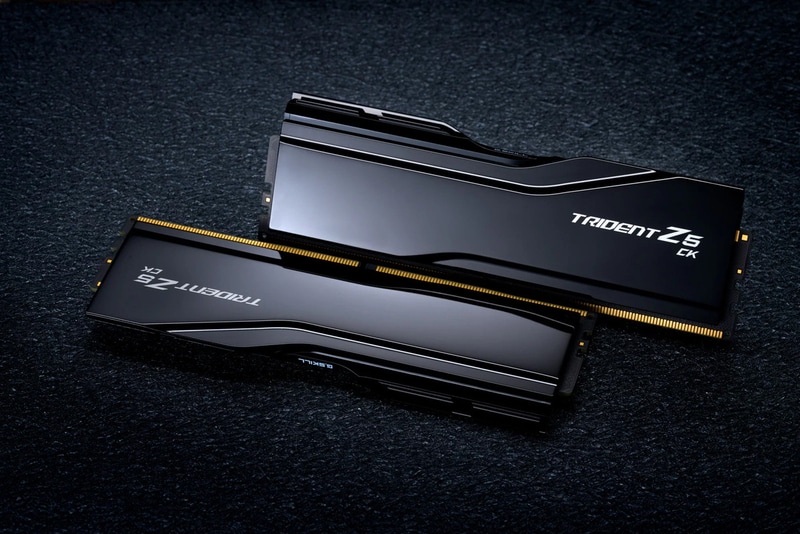
G.SKILL is showcasing a DDR5-9200 CU-DIMM memory kit that delivers extremely high memory frequencies while operating at the standard JEDEC voltage of just 1.1V. The 32GB kit, validated on MSI's MEG Z890 GODLIKE motherboard and Intel's Core Ultra 7 270K Plus processor, demonstrates how next-generation memory can balance performance with power efficiency.
The development reflects a growing focus on maximizing bandwidth without increasing energy consumption or thermal output. While ultra-fast memory speeds have traditionally required higher voltages or specialized overclocking hardware, this solution shows that advanced frequencies can now be achieved under more efficient operating conditions and on 4-DIMM motherboard designs.
As AI applications, content creation tools, and high-performance gaming continue to demand greater memory bandwidth, hardware manufacturers may place increased emphasis on performance-per-watt metrics. This approach could help brands differentiate their products through improved efficiency, lower cooling requirements, and enhanced system stability while supporting increasingly demanding workloads.
Image Credit: G.SKILL
What's Driving This Trend
- Low-voltage Performance Memory
- High-frequency DDR5 operating at standard voltage highlights a shift toward premium components that deliver workstation-class speed with lower heat, quieter systems, and improved energy efficiency.
- Performance-per-watt Computing
- Efficiency-focused hardware metrics are becoming a differentiator as AI workloads, gaming, and creator applications require greater bandwidth without proportional increases in power consumption.
- Mainstream Overclocking Stability
- Advanced memory speeds validated on conventional motherboard configurations signal a broader path for enthusiast-grade performance to reach more reliable and accessible desktop platforms.
Who This Affects Most
- Computer Hardware
- Memory, motherboard, and processor makers can compete through integrated platform designs that combine extreme throughput with standardized voltage, reduced cooling demands, and improved system stability.
- Artificial Intelligence
- Bandwidth-efficient memory architectures support data-intensive AI applications by improving local processing performance while limiting energy overhead in desktops, workstations, and edge systems.
- Gaming Technology
- Ultra-fast, efficient memory creates new value for high-end gaming PCs by enabling smoother performance, lower thermals, and more compact system designs for demanding interactive experiences.