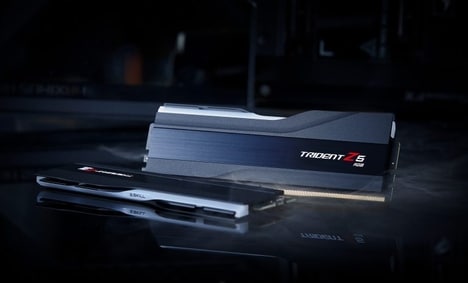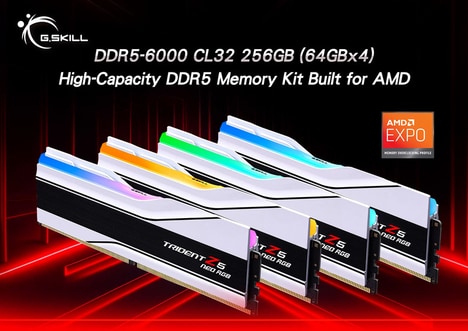
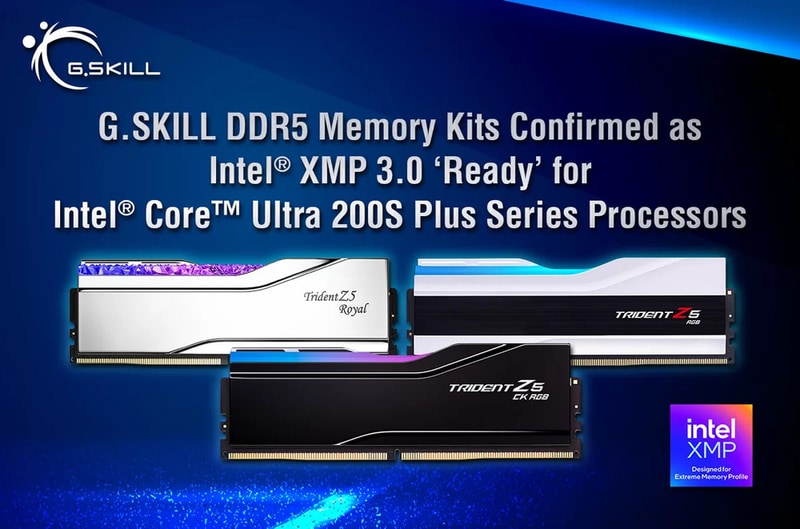
G.Skill confirmed a set of overclocked DDR5 memory kits validated for Intel’s newly launched Core Ultra 200S Plus desktop processors, featuring XMP 3.0 profiles designed to enable easy one-click overclocking. The announcement included kits carrying Intel XMP 3.0 and Intel 200S Boost badges, indicating certified compatibility and support for elevated clock rates up to higher-rated speeds.
The validation covers multiple G.Skill DDR5 SKUs that can use XMP 3.0 to reach factory-tested overclock frequencies; the brand also shared Memtest evidence of kits running at 10,000MHz on an Asus ROG Maximus Z890 Apex paired with an Intel Core Ultra 7 270K Plus. These certified profiles remove manual tuning, simplifying BIOS-based profile selection for enthusiasts and builders.
For PC builders and gamers this means faster, plug-and-play memory performance that matches Intel’s latest platform, improving system responsiveness and multitasking. Certified XMP 3.0 kits reduce trial-and-error overclocking while signaling a broader trend of vendor-validated, high-frequency DDR5 for mainstream desktops.
Image Credit: G. Skill
What's Driving This Trend
- Vendor-validated Memory Profiles
- Creates a market where manufacturers certify plug-and-play performance across ecosystems, reducing compatibility uncertainty and enabling bundled hardware-software offerings.
- Mainstream High-frequency DDR5
- Signals a shift of ultra-high clock-rate memory from niche enthusiast segments into everyday desktop platforms, allowing new product tiers focused on sustained single-thread and multitask performance.
- Simplified One-click Overclocking
- Promotes user-friendly performance scaling through BIOS or OS profiles, lowering technical barriers and fostering software-driven optimization features and telemetry services.
Who This Affects Most
- PC Component Manufacturing
- Faces opportunities to co-develop certified, interoperable modules and bundled warranties that differentiate products through validated high-frequency operation.
- Gaming and Esports Systems
- Sees potential for pre-configured competitive rigs and hosted platforms that market verified low-latency, high-throughput memory as a competitive advantage.
- BIOS and Firmware Tools
- Experiences demand for advanced profile management, diagnostics, and secure profile signing to support trusted one-click performance modes and remote update workflows.