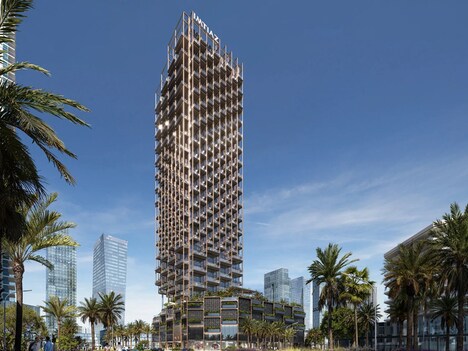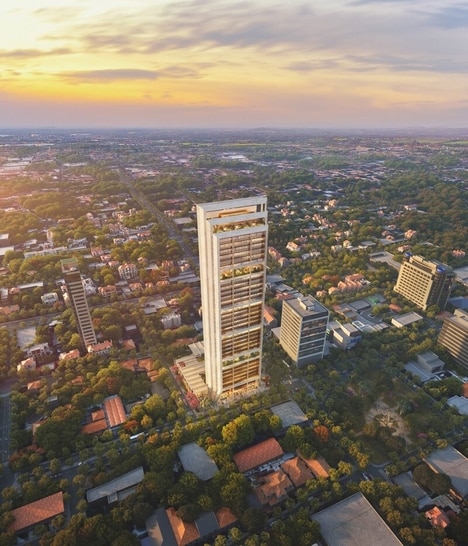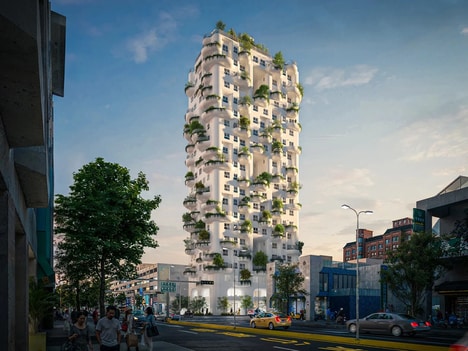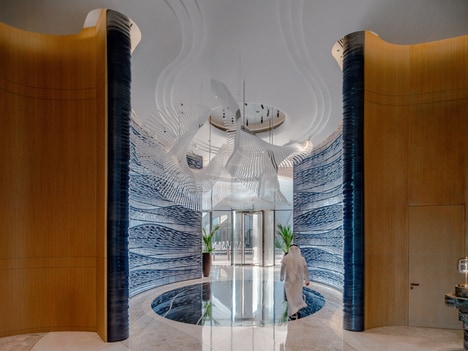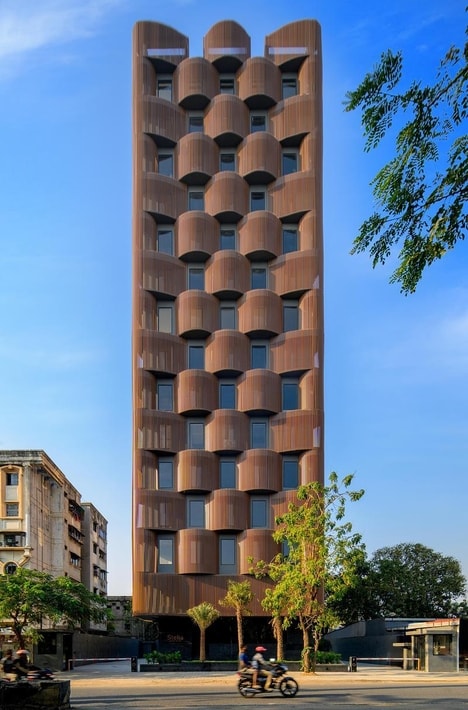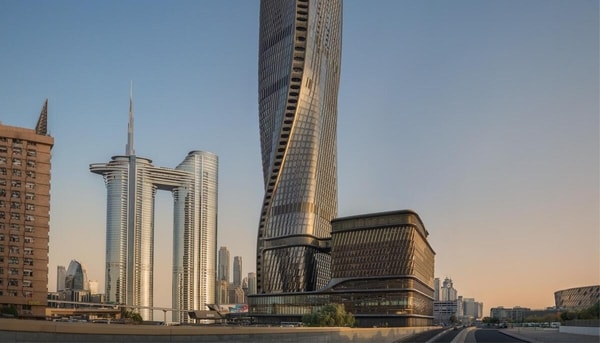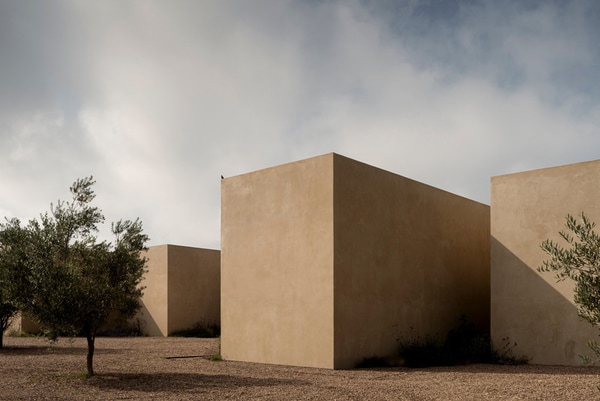
Climate-responsive skyscrapers are reshaping urban development by combining passive cooling systems, energy-efficient materials, and wellness-focused mixed-use design within large-scale high-rise projects. Dubai’s Wasl Tower demonstrates this shift through its ceramic terracotta facade, which reduces heat radiation, supports natural airflow, and improves overall energy performance without relying solely on mechanical cooling systems. The tower also integrates reflective glazing, solar thermal panels, district cooling, and daylight-responsive technologies to lower environmental impact while enhancing occupant comfort. Beyond sustainability features, the building combines residences, offices, hospitality, dining, and wellness spaces into a unified environment designed for modern urban lifestyles.
The project highlights how developers increasingly view climate-adaptive architecture as both an environmental strategy and a competitive differentiator. As cities face rising temperatures and growing density, demand may continue increasing for high-performance buildings that reduce operational costs, improve comfort, and strengthen long-term sustainability positioning in global real estate markets.
Image Credit: Wasl Tower
Key Themes Behind This Trend
- Thermal-reflective Facades
- Rising use of ceramic and terracotta cladding that cuts solar heat gain presents potential for facade systems that materially reduce building cooling energy and extend envelope longevity.
- Integrated Wellness Mixed-use
- Combining residential, office, hospitality, dining, and wellness spaces within climate-adaptive towers creates scope for developments that command premium rents through health- and comfort-driven design differentiation.
- Climate-adaptive Smart Systems
- Coordination of reflective glazing, daylight-responsive controls, solar thermal panels, and district cooling points to opportunities for holistic building-control platforms that optimize energy flows across multiple systems.
Where This Applies
- Commercial Real Estate
- Heightened investor and tenant demand for high-performance, climate-responsive assets indicates room for real estate offerings that prioritize lower operating costs and stronger ESG valuations.
- Building Materials and Ceramics
- Advances in terracotta and ceramic facade engineering suggest a market for specialty cladding products designed to improve passive cooling and reduce maintenance in hot climates.
- HVAC and District Cooling Services
- Integration with passive strategies and renewable thermal sources implies possibilities for service models that deliver more efficient, networked cooling with reduced reliance on conventional mechanical systems.