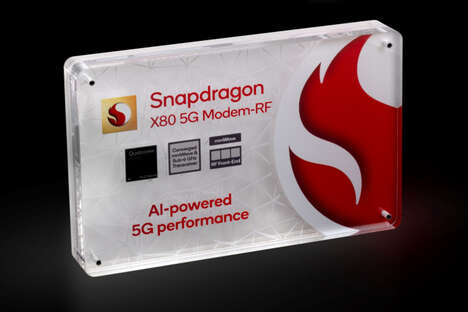
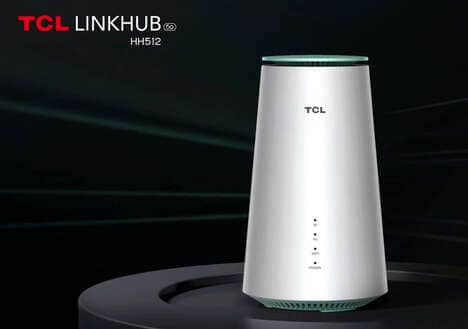
In an endeavor to design a new 5G antenna, Ericsson and IBM are working together. The two companies will be performing collaborative research on designs for antennas that will provide 5G data speeds, which is "magnitudes" faster than what we have access to today.
The 5G antenna is being designed using phased-array techniques to create prototypes in an effort to serve more mobile phone carriers, offer new services on the same frequency and provide faster data speed that is on an entirely different level than what is currently available.
They are looking into this technology now, as Ericsson believes we can expect 2020 to be the year 5G will be standard and major rollouts will occur. Research, therefore, needs to be done now.
Why This Trend Is Growing
- 5G Data Speeds
- The collaboration between Ericsson and IBM seeks to provide 5G data speeds, creating opportunities for faster and more efficient data transfer across industries.
- Phased-array Techniques
- The development of new 5G antennas using phased-array techniques presents opportunities for disruption within the wireless technology industry.
- Major Rollouts of 5G
- The expected major rollouts of 5G in 2020 present opportunities for innovation across several industries, including telecommunications, transportation, and healthcare.
Industries Being Reshaped
- Wireless Technology
- Increased adoption of 5G data speeds may revolutionize the wireless technology industry by enabling faster, more streamlined data transfer within a variety of applications.
- Telecommunications
- The development of faster data speeds may disrupt the telecommunications industry, create new opportunities for service providers, and change the nature of mobile communication.
- Transportation
- Opportunities and innovation may arise within the transportation industry, namely in the development of technologies that utilize faster data speeds to improve connectivity and facilitate advances in autonomous driving systems.