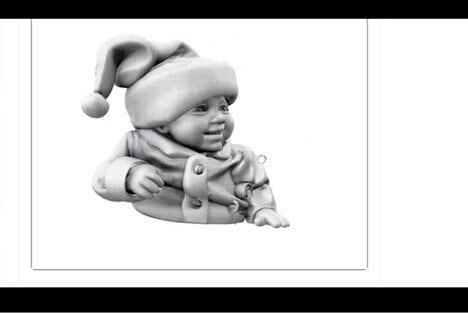
Tripo AI is previewing ‘H3.5’, an upcoming 3D-native generative model designed to turn ideas into print-ready objects with finer detail and less cleanup, the company says. The model is meant to preserve visual accuracy while reducing the editing typically required before a print job.
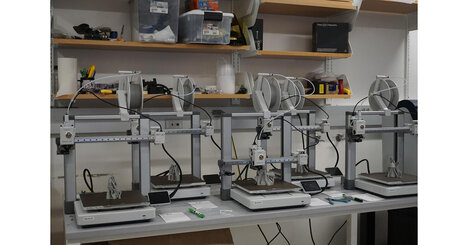
At Formnext in Frankfurt, the company is showcasing intricate 3D-printed pieces made with the model and opening access at Booth B01. The system targets additive manufacturing workflows, where a cleaner digital starting point can save time before the printer runs. The company says it serves teams that want faster turnaround without building a separate prep pipeline.
Tripo AI shows how print-ready output with minimal editing can narrow the gap between AI generation and production-grade manufacturing for additive manufacturing workflows.
Why This Trend Is Growing
- Print-ready AI Models
- Generative 3D systems that produce manufacturable files are reducing pre-production friction and creating openings for faster prototyping, customization, and small-batch manufacturing.
- Automated Mesh Cleanup
- Cleaner AI-generated geometry is shifting tedious repair work into the model layer, enabling software platforms to differentiate through reliability and production-readiness.
- Text-to-object Manufacturing
- Idea-to-object workflows are compressing design cycles by linking natural-language prompting with additive production, creating new pathways for non-specialists to participate in product creation.
Industries Being Reshaped
- Additive Manufacturing
- AI-native file generation is strengthening the connection between digital concepts and physical output, expanding opportunities for faster industrial prototyping and distributed production.
- Design Software
- 3D creation tools are evolving toward automated manufacturability, opening space for platforms that combine creative generation, validation, and print preparation in a single workflow.
- Product Development
- Accelerated conversion from concept to printable object is reshaping early-stage iteration, making rapid experimentation more accessible across consumer goods, hardware, and industrial design teams.