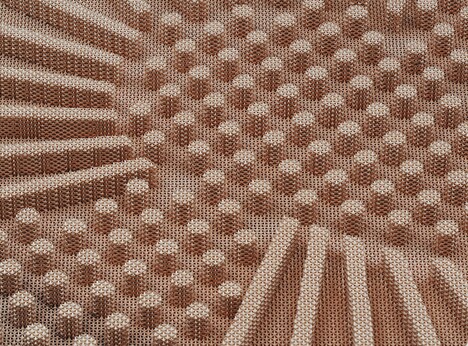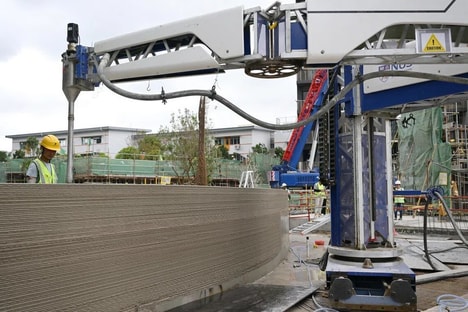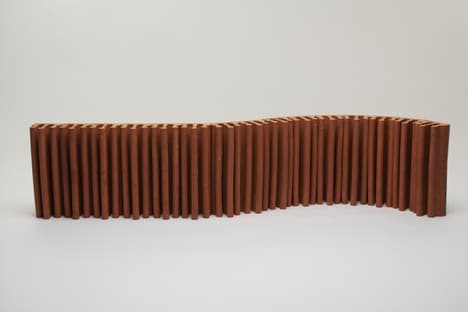
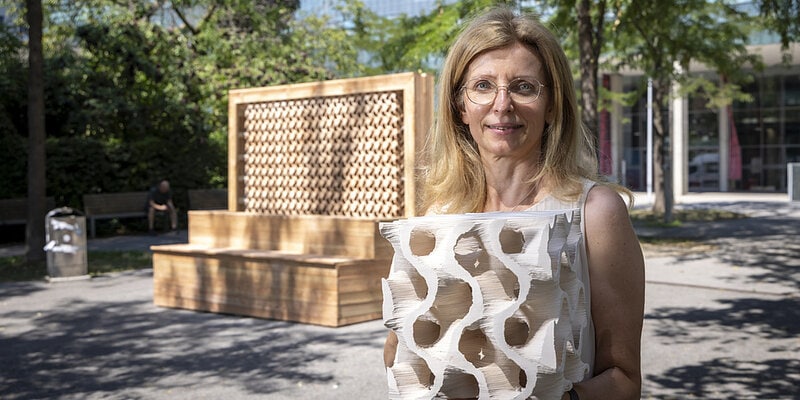
3D-printed cooling walls are offering an energy-efficient approach to reducing temperatures in buildings and urban environments. Researchers at TU Graz developed porous ceramic cubes that combine additive manufacturing with evaporative cooling, a process in which water absorbs surrounding heat as it evaporates. Complex printed geometries maximize surface area and distribute water throughout the ceramic, helping the structures provide continuous passive cooling. During testing in a hot attic, a water-filled cube lowered the temperature in its immediate surroundings by almost seven degrees Celsius.
The concept demonstrates how architecture can incorporate passive cooling directly into building materials rather than relying exclusively on energy-intensive air conditioning. For construction companies, architects and municipalities, these systems could create opportunities for lower-energy cooling in homes, offices, schools and public spaces. 3D printing also enables customized structures and alternative material blends, potentially supporting more resource-efficient approaches to heat-resilient urban development.
Image Credit: TU Graz
What's Driving This Trend
- Passive Cooling Materials
- Building components with embedded evaporative functions point to lower-energy thermal management that reduces reliance on conventional air conditioning systems.
- 3d-printed Architecture
- Additive manufacturing enables complex porous forms and customized construction elements that expand how buildings manage heat, airflow and resource efficiency.
- Heat-resilient Urban Design
- Urban infrastructure incorporating cooling surfaces and water-responsive materials creates new possibilities for adapting public spaces to rising temperatures.
Who This Affects Most
- Construction
- Porous ceramic wall systems introduce building-integrated cooling options that can differentiate sustainable residential, commercial and institutional projects.
- Architecture
- Design practices gain access to programmable material geometries that combine aesthetic flexibility with passive environmental performance.
- Municipal Infrastructure
- Cities facing extreme heat can explore cooling walls and modular ceramic installations as part of lower-energy climate adaptation strategies.