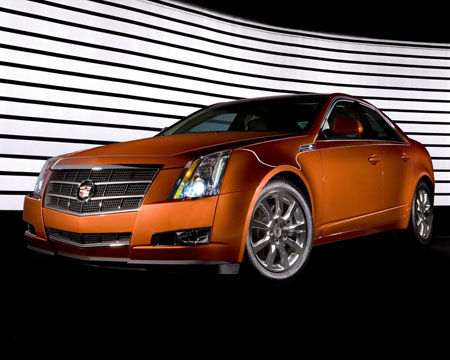
I've been dying to get my mitts on a Hennessey Camaro since they were announced, but this 633-horsepower 2011 Hennessey Venom GT is making me second-guess myself. This prototype is based on a 4-cylinder Lotus Elise; despite the power boost from the Chevy V-8 engine, its lightweight chassis is maintained with carbon fiber wheels and body panels
See more images and a video of the 2011 Hennessey Venom GT above--don't let your boss catch you drooling.
What's Driving This Trend
- Carbon Fiber Technology
- The use of carbon fiber wheels and body panels in high-performance vehicles creates disruptive innovation opportunities in the automotive industry, allowing for lighter and more fuel-efficient cars.
- High-performance Electric Cars
- The rise of high-performance electric cars, like the Hennessey Venom GT prototype, presents disruptive innovation opportunities in the automotive industry, combining power and sustainability.
- Customized Sports Cars
- The demand for customized sports cars, such as the Hennessey Camaro, offers disruptive innovation opportunities in the automotive industry, catering to individual preferences and personalization.
Who This Affects Most
- Automotive Industry
- The automotive industry can capitalize on carbon fiber technology to create lightweight and fuel-efficient vehicles, as well as embrace the shift towards high-performance electric cars and customization options for consumers.
- Carbon Fiber Manufacturing Industry
- The carbon fiber manufacturing industry can benefit from the growing demand for carbon fiber wheels and body panels in high-performance vehicles, providing innovative and sustainable solutions.
- Electric Vehicle Industry
- The electric vehicle industry can explore the development of high-performance electric cars, like the Hennessey Venom GT prototype, to meet the demand for powerful and eco-friendly transportation options.