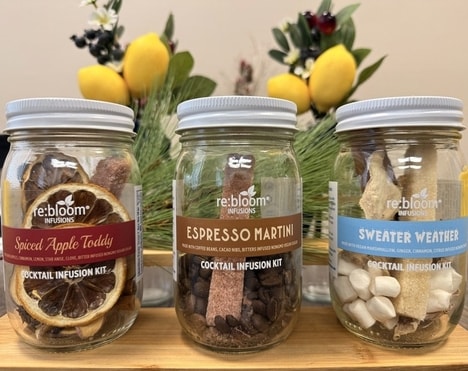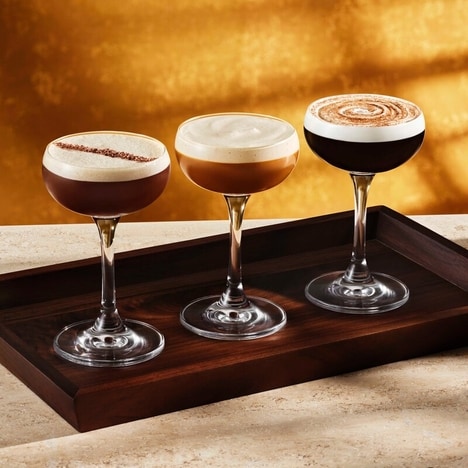
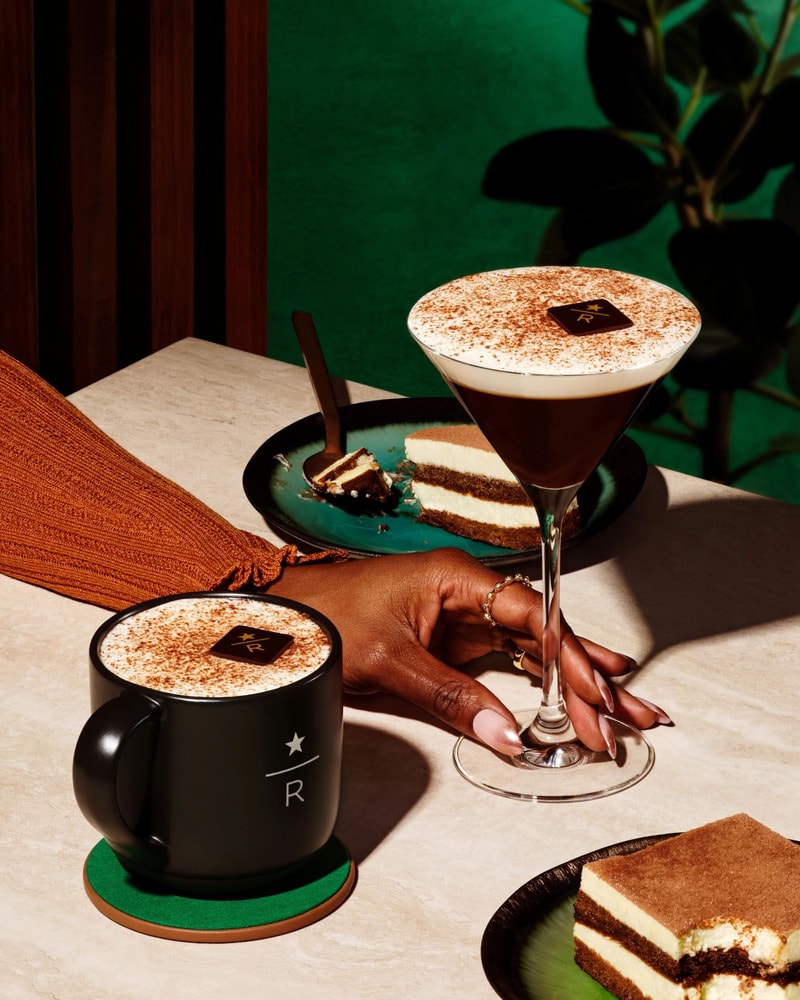
Since early January, Starbucks Reserve Roastery guests in Chicago and New York City have been sipping new seasonal offerings like the all-new Tiramisu Espresso Martini. The espresso martini's resurgence reflects a cultural moment where indulgence meets productivity, and this fresh take on Starbucks Reserve’s signature cocktail incorporates Starbucks Reserve Espresso with vodka, cordial and vanilla syrup, plus tiramisu cold foam, chocolate powder and a chocolate medallion.
Those who love coffee and tiramisu and want to enjoy a similar but wholly non-alcoholic experience can appreciate the Starbucks Tiramisu Latte, another richly layered beverage, this one prepared with Starbucks Reserve Espresso, mocha sauce and steamed milk, all topped off with the same dressy, delicious garnishes as the new Tiramisu Espresso Martini.
Key Themes Behind This Trend
- Indulgent Coffee Cocktails
- The rise of coffee-infused cocktails showcases a blend of indulgence and functionality, appealing to consumers seeking novel and luxurious social drinking experiences.
- Layered Beverage Creations
- The popularity of visually striking, layered drinks indicates a shift toward beverages that offer a multi-sensory experience, enhancing consumer engagement through both taste and aesthetics.
- Non-alcoholic Indulgence
- A surge in non-alcoholic beverages that mimic the richness of cocktails suggests opportunities to cater to consumers desiring the social experience of cocktails without alcohol consumption.
Where This Applies
- Specialty Coffee
- Innovations in crafting specialty coffee drinks can attract consumers looking for premium coffee experiences that elevate their daily rituals with indulgent flavors and sophisticated presentation.
- Alcoholic Beverages
- The integration of coffee flavors into alcoholic drinks represents a growing trend within the beverage industry, offering new flavor profiles that captivate cocktail enthusiasts.
- Non-alcoholic Beverages
- Developing non-alcoholic alternatives to traditional cocktails opens up fresh market potential for brands aiming to appeal to health-conscious customers without compromising on taste or experience.