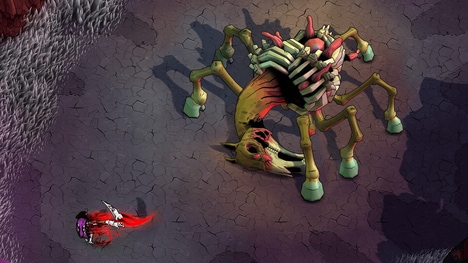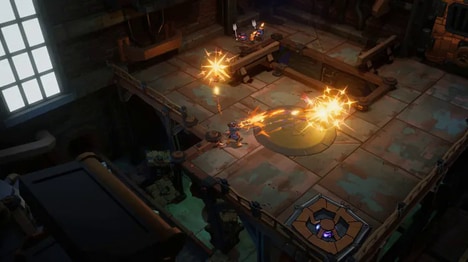
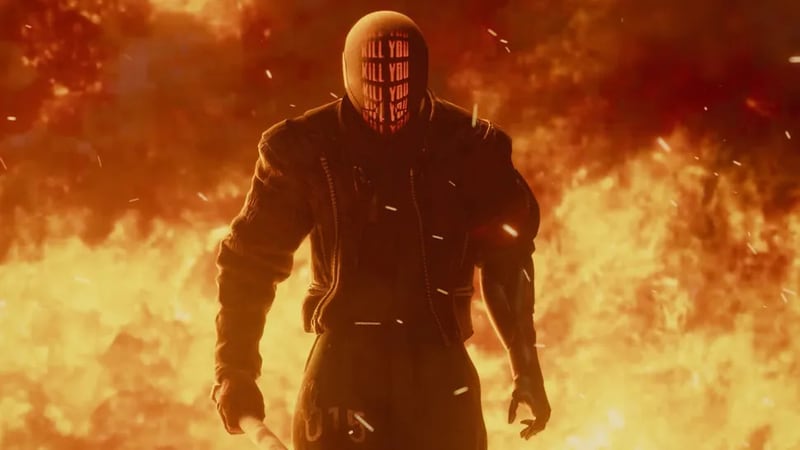
Ruiner 2 is a newly announced sequel from Reikon Games that reimagines the studio's 2017 top-down shooter as a systems-driven action RPG, featuring instantly swappable combat bodies called Shells. The game returns players to corporate-ruled Rengkok and the surrounding wasteland, designed to keep the relentless enemy encounters central while adding deeper progression mechanics.
Each Shell offers a distinct playstyle with four skill trees and branching nodes that alter skill behavior rather than just damage, and players expand their roster by defeating boss foes rather than selecting classes from menus. The title supports single-player and up to three-player co-op, and emphasizes synergy between Shells to encourage experimental builds.
For players the shift matters because it blends fast-paced top-down combat with role-playing depth, letting users craft emergent strategies through modular character swapping and branching skills. Ruiner 2 signals a trend of hybridizing arcade action with deeper systems to sustain long-term player engagement.
Image Credit: Reikon Games
Key Themes Behind This Trend
- Systems-driven Action Rpgs
- A melding of fast-paced combat with branching progression systems creates space for games that sustain engagement through meaningful mechanical depth rather than purely narrative expansion.
- Modular Character Swapping
- Instantly swappable combat bodies with distinct skill trees enable emergent build diversity and new monetization models around interchangeable, upgradeable modules.
- Emergent Co-op Synergies
- Designs that incentivize shell synergy encourage social experimentation and persistent meta-developments that extend multiplayer longevity.
Where This Applies
- Game Development
- Studios can explore hybrid design pipelines that prioritize systemic interactions and procedural tuning to produce replayable, mechanically rich titles.
- Engine and Middleware Tools
- Middleware that supports runtime character modularity and branching skill behaviors could reduce implementation friction and foster cross-title reuse of complex systems.
- Esports and Streaming
- Competitive and broadcast formats may evolve around rapid-loadout dynamics and cooperative synergies, offering novel spectator narratives and balancing challenges.