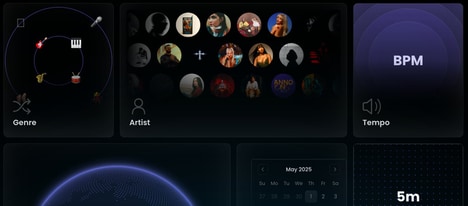
Spotify has introduced 'Prompted Playlist' for premium users, a new playlist-generation feature that allows listeners to create highly personalized playlists using natural language prompts. The tool enables users to describe moods, scenarios, preferences, or creative directions in their own words, extending personalization beyond traditional artist, genre, or activity-based recommendations.
Prompted Playlist generates results by combining user-provided prompts with Spotify’s recommendation systems, incorporating individual listening history alongside real-time signals such as music trends, charts, cultural moments, and emerging releases. Users can define specific parameters, including desired mood, tempo, time of day, genre inclusion or exclusion, or a preference for new discoveries versus familiar favorites; positioning the feature as a collaborative interaction between user intent and algorithmic curation.
After a playlist is generated, users can revise their prompt, refresh the playlist on a daily or weekly basis, or begin a new request entirely. Each song includes a brief explanation outlining why it was selected, adding transparency to the discovery process and supporting ongoing exploration as listening preferences evolve over time.
Image Credit: Spotify
What Makes This Trend Stand Out
- Natural-language Music Curation
- The use of natural language processing in music playlist generation creates personalized listening experiences shaped by users' descriptions of moods and scenarios.
- Dynamic Playlist Refresh
- Enabling playlists to be refreshed daily or weekly increases user engagement and offers adaptability to changing tastes and contexts.
- Transparent Music Recommendations
- Providing explanations for song selections enhances user trust and supports deeper exploration of new music that aligns with individual preferences.
Sectors Adopting This
- Music Streaming Services
- Innovation in personalized playlist features can redefine competitive landscapes, offering unique value by aligning more closely with users' evolving music tastes.
- Artificial Intelligence and Machine Learning
- Advanced algorithms in AI can optimize music discovery by integrating personal user input with broader listening trends and patterns, enhancing user satisfaction.
- Voice-activated Assistants
- Opportunities for integrating natural language music generation align with the capabilities of smart assistants, expanding their functionality in personalized entertainment settings.