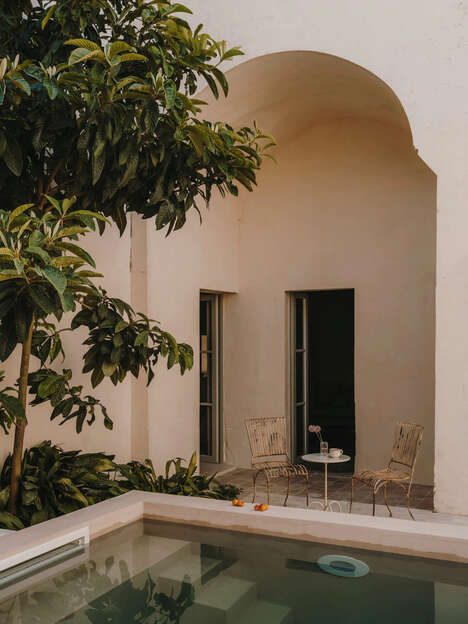
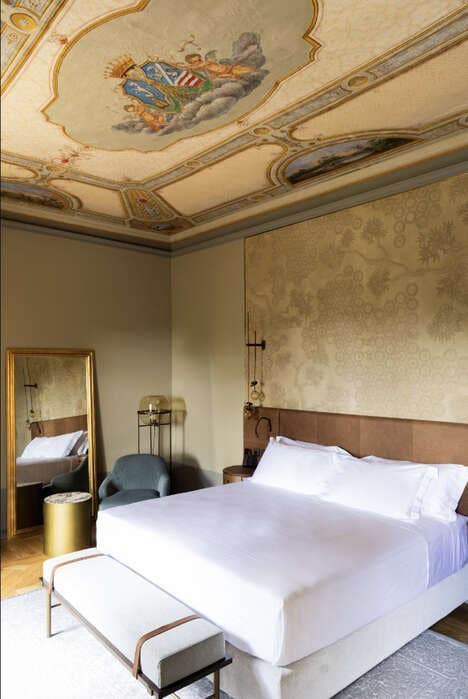
Palazzo Daniele Suites blend neoclassical grandeur with contemporary calm in a thoughtful hotel expansion rooted in history and modern comfort. Situated in a 19th-century aristocratic palazzo in Gagliano del Capo, Puglia, the redesign by Palomba Serafini Associati introduces new vaulted suites and revitalized common areas while preserving original architecture.
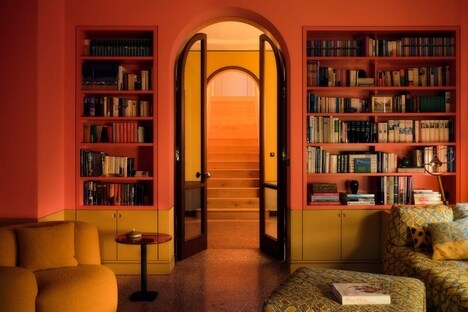
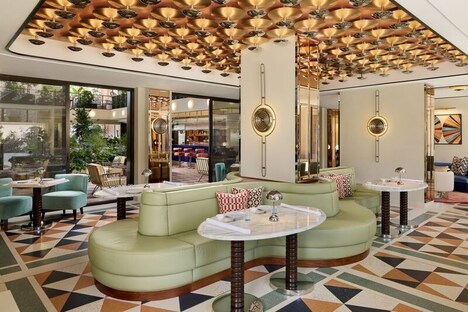
The design approach emphasizes authenticity: richly textured patinas, 19th-century mosaics, and vaulted ceilings remain prominent, while bathrooms become sculptural highlights with features like eleven-sided rainfall showers and stone bathtubs inspired by historic basins. Public areas embrace their past too, with preserved hydraulic presses from an embedded oil mill now part of a communal living room that opens onto a garden framed by a towering cypress.
This expansion reframes old spaces as lived-in art, where vaulted arches, soft lighting, and minimalist furnishings create an environment that is as refined as it is inviting. Palazzo Daniele Suites deliver elevated luxury infused with warmth and heritage.
Image Credit: Matteo Verzini
What's Driving This Trend
- Neoclassical Luxury Reimagined
- Opportunities emerge from blending traditional architectural elements with modern design, offering unique spaces that appeal to luxury travelers seeking both aesthetic richness and historical intrigue.
- Historic Preservation Innovation
- Integrating advanced modern amenities within heritage architecture represents a method to preserve cultural history while appealing to a contemporary audience.
- Artistic Space Transformation
- Transforming architectural features into living art spaces offers a new dimension in hospitality design, attracting guests with its blend of emotional engagement and visual appeal.
Who This Affects Most
- Luxury Hospitality
- The luxury hospitality sector benefits from redefining spaces that merge historical authenticity with contemporary comfort, offering guests a singular experience.
- Interior Design
- Interior design can explore new creative avenues by juxtaposing minimalist and classical decorative trends, crafting environments that attract aesthetic-driven clients.
- Cultural Heritage Tourism
- Cultural heritage tourism expands by providing travelers immersive experiences that combine local history with modern interpretations, promoting extended stays through enriching encounters.