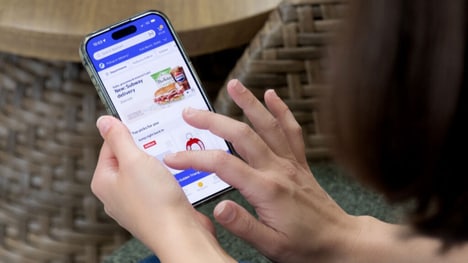
Walmart's latest earnings call highlighted Walmart Meal Solutions as a central growth strategy, with executives expanding beyond traditional grocery and general merchandise into prepared-food partnerships and faster fulfillment. In June, Subway became the first restaurant integrated with Walmart's Express Delivery option, allowing shoppers to order meals through the app or Walmart.com for delivery within 30 minutes.
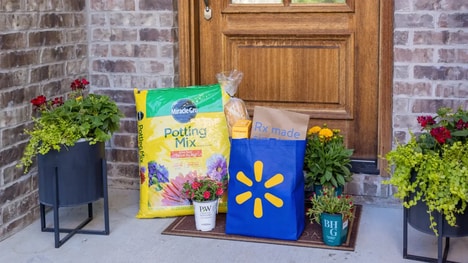
E-commerce now accounts for more than 23% of U.S. sales, with physical stores serving as fulfillment hubs for 80% of online grocery orders and 100% of fast deliveries.
Walmart U.S. also rolled out temporary price cuts on more than 11,000 items during the quarter, up from 7,200 at the end of Q1, as the retailer works to retain budget-conscious grocery shoppers amid pressure on GLP-1-related pharmacy sales.
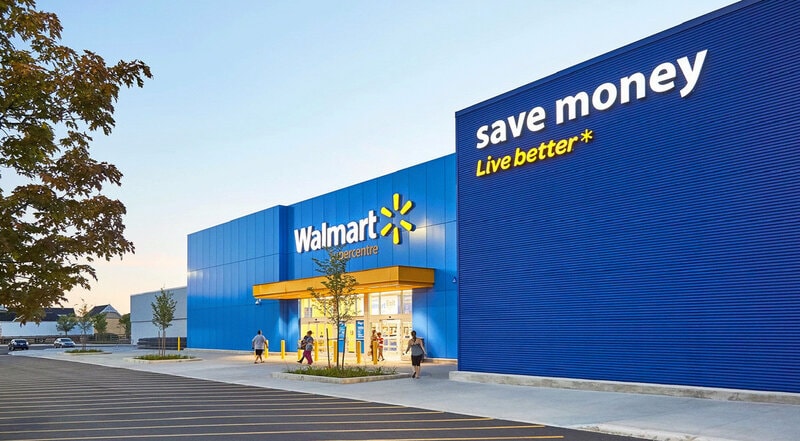
Image Credit: Walmart
Key Themes Behind This Trend
- Express Meal Delivery
- Restaurant integrations inside grocery platforms create new space for bundled prepared meals, household essentials, and ultra-fast fulfillment experiences.
- Store-based Fulfillment
- Physical retail locations functioning as delivery hubs reshape grocery logistics by blending local inventory, speed, and omnichannel convenience.
- Value-driven Grocery
- Expanded temporary price reductions reflect growing demand for affordability-focused retail models that retain budget-conscious shoppers across digital and in-store channels.
Where This Applies
- Grocery Retail
- Omnichannel grocery networks are evolving into meal, delivery, and value platforms that extend beyond traditional supermarket transactions.
- Foodservice
- Quick-service restaurant partnerships with major retailers introduce new distribution pathways for prepared food through established e-commerce ecosystems.
- Last-mile Delivery
- Fast delivery infrastructure tied to store networks increases competition around sub-hour fulfillment, localized routing, and integrated shopping experiences.