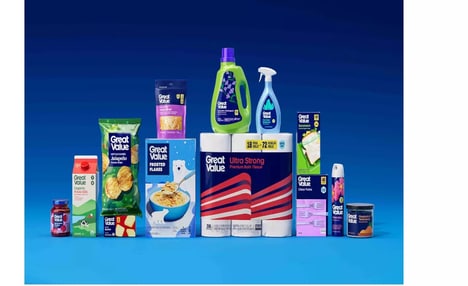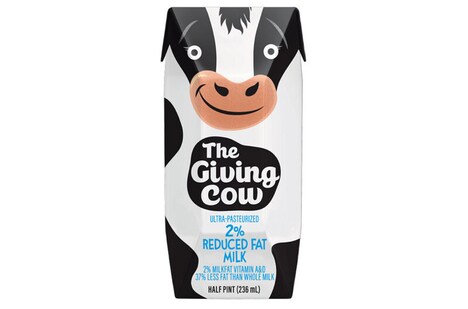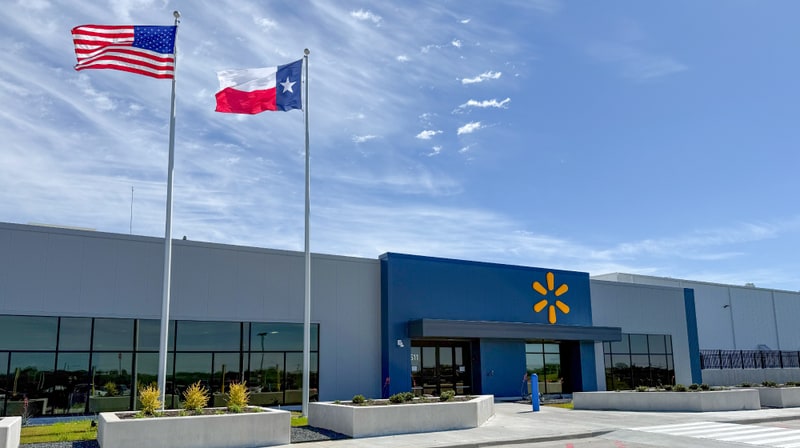
Integrated grocery supply strategies are reshaping food retail operations as companies seek greater control over sourcing, processing, and distribution. Walmart’s new milk processing facility in Robinson, Texas, reflects this shift by allowing the retailer to source milk directly from regional dairy farms, process products internally, and distribute them across more than 650 Walmart and Sam’s Club locations. By shortening the timeline from farm to shelf, the facility helps improve freshness, consistency, and supply chain transparency while reducing reliance on third-party processors.
From a business perspective, vertically connected supply systems can improve operational efficiency, strengthen inventory reliability, and reduce disruptions tied to external suppliers. These facilities also support localized sourcing strategies that appeal to consumers seeking fresher and more regionally produced food products. As retailers continue investing in owned processing infrastructure, businesses may increasingly prioritize end-to-end supply chain control to improve margins, scalability, and long-term resilience.
Image Credit: Walmart
What Makes This Trend Stand Out
- Vertical Retail Integration
- Greater control over sourcing and processing creates opportunities to capture more margin and standardize product quality across a retailer's portfolio.
- Regionalized Fresh Supply
- Shortened farm-to-shelf timelines enable differentiation through fresher, regionally branded products that resonate with local consumer preferences.
- Retail-owned Processing Technology
- Investment in in-house processing facilities opens possibilities for tailored production runs and faster responsiveness to demand signals.
Sectors Adopting This
- Grocery Retail
- Integrated supply models can transform competitive positioning by reducing reliance on third-party processors and improving inventory reliability.
- Dairy Farming and Cooperatives
- Closer direct relationships with large buyers create prospects for stable pricing structures and collaborative quality controls at the farm level.
- Food Logistics and Cold Chain
- Localized distribution hubs and shorter transport legs present chances to optimize cold-chain efficiency and reduce spoilage rates.