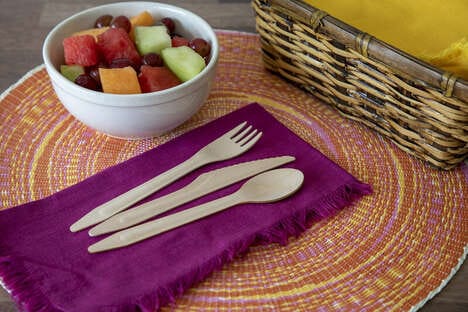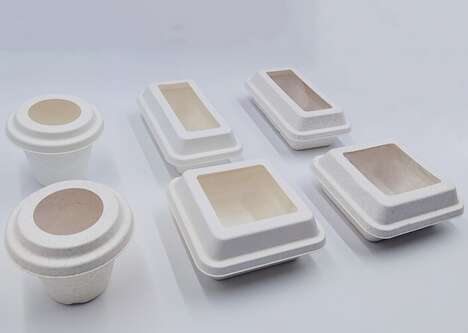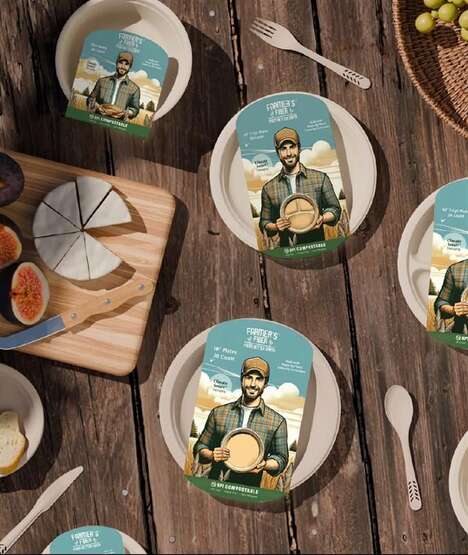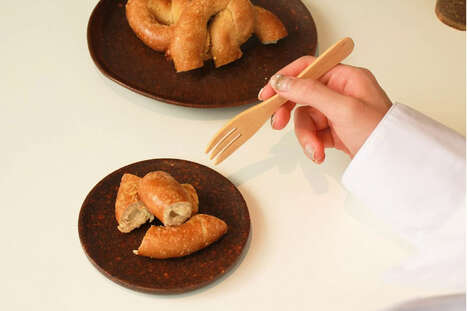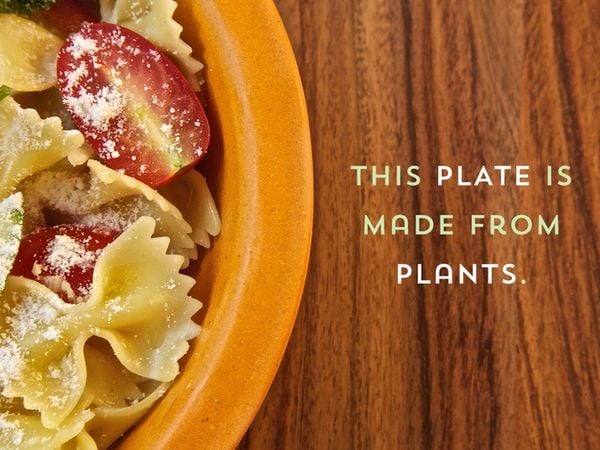
In the increasing attempts of industries trying to incorporate technology into their creative designs, Swedish design company Tomorrow Machine and research company Innventia may have created the most environmentally friendly set of plates and dishes ever.
Envisioning the different types of uses for cellulose that are taken from Swedish forests in year 2035, the prototype of the kitchenware was made. It showcased the new technology of a light yet strong, mold-able cellulose-based material that was developed by Innventia.
This set of kitchenware is made from a self-cleaning outer layer that never requires you to wash them. The kitchenware is made from cellulose, which allows you to never wash your plates or dishes ever again.
What's Driving This Trend
- Cellulose-based Kitchenware
- The innovation in creating a light yet strong, mold-able cellulose-based material that could be a sustainable solution to kitchenware production.
- Self-cleaning Technology
- A disruptive innovation opportunity for the cleaning industry that can implement an eco-friendly and efficient self-cleaning technology for household items.
- Environmentally Friendly Design
- As consumers become more environmentally conscious, this trend creates opportunities for businesses to innovate with sustainable materials and designs.
Who This Affects Most
- Kitchenware
- Kitchenware manufacturers can use this cellulose-based material as a sustainable alternative that offers the convenience of not having to wash plates or dishes.
- Cleaning
- Cleaning product manufacturers can explore and implement the use of self-cleaning technology in their products to cater to consumers who prioritize sustainability.
- Sustainability
- The trend towards environmentally friendly and sustainable living provides opportunities for businesses in various industries to innovate and incorporate sustainable practices in their products and services.