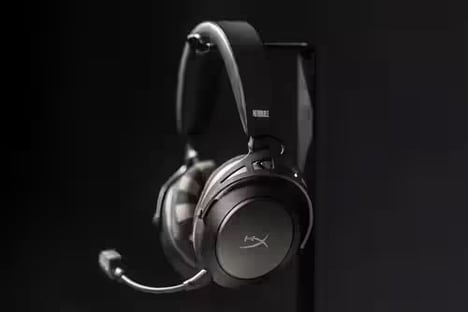
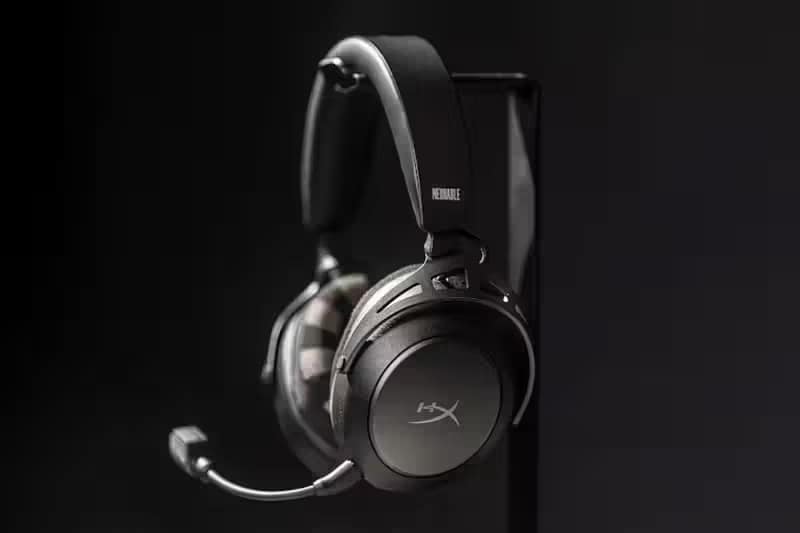
HyperX and Neurable describe the headset as a wearable that combines conventional audio and input features with on‑device neural sensing and AI processing to translate brain activity into actionable performance data for gaming and training. The companies position the product as an industry first for mainstream gaming hardware, emphasizing non‑invasive sensors, real‑time neural inference, and integration with HyperX’s gaming ecosystem to deliver metrics and adaptive assistance during play. The announcement frames the collaboration as a research and product development effort to measure cognitive states such as attention and readiness, and to surface those signals as low‑latency feedback that can be used to inform in‑game decisions or training routines.
The partners reported early test results and use cases that illustrate potential performance benefits and user workflows. Company statements and coverage indicate that prototype testing produced measurable improvements in reaction time and targeting accuracy when neural signals were used to augment conventional controls, with specific claims of reduced reaction latency and modest gains in hit rate during controlled trials. HyperX and Neurable emphasize the headset’s software layer, which maps neural markers to game actions or coaching prompts, and they note the importance of on‑device processing to limit data transmission and preserve responsiveness. Key evaluation criteria for reviewers and buyers include the accuracy and repeatability of neural signal interpretation, the headset’s comfort and fit for extended sessions, battery life under continuous sensing, and the transparency of data handling and privacy safeguards. Independent validation of the claimed performance gains and long‑term reliability will be necessary to assess the headset’s practical value for competitive play and training, and observers have noted that integration with existing game engines and input pipelines will determine the breadth of applicable titles and use cases.
Image Credit: HyperX, Neurable
What Makes This Trend Stand Out
- Neuro-enhanced Gaming Performance
- The integration of neural sensing technology with gaming headsets enables real-time feedback and adaptive assistance, enhancing player performance and decision-making.
- Real-time Neural Feedback Systems
- The implementation of on-device AI processing for interpreting brain signals provides immediate feedback, allowing for improved training and cognitive state assessment in dynamic environments.
- Non-invasive Brain-sensing Devices
- The development of non-invasive wearables that translate brain activity into actionable insights represents a leap forward in both neurotechnology and consumer electronics, enabling broader usage scenarios.
Sectors Adopting This
- Gaming Technology
- The advent of neurotechnology-enabled gaming peripherals paves the way for immersive and personalized gaming experiences, pushing performance and engagement boundaries.
- Wearable Electronics
- Advancements in wearable brain-sensing devices are creating new opportunities for consumer electronics, integrating health, entertainment, and productivity tools into a single platform.
- AI and Neural Processing
- Emerging AI technologies that interpret neural data are setting the stage for innovations that can transform training and performance monitoring across various disciplines.