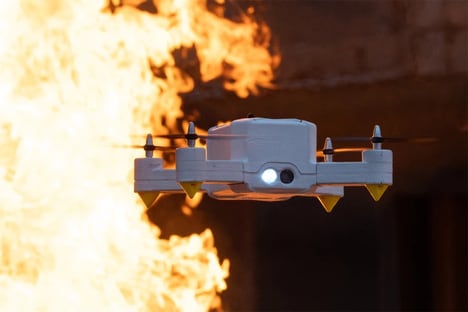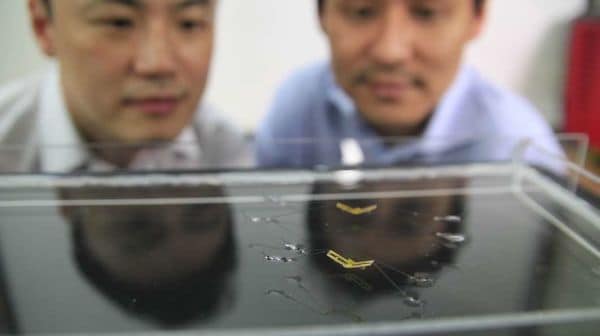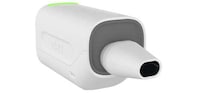

When it comes to detecting emerging infectious diseases, technology plays a role in effective prevention of epidemics. Microsoft Research is trying to identify illnesses before people get sick by using bug-trapping drones. Project Premonition uses autonomous flying robots to monitor infecting agents like mosquitos to predict sicknesses before they hit humans.
Detecting emerging infection diseases in this way is supposed to speed up the process by moving away from relying on doctors to analyze illnesses and report their findings to health organizations. Currently under development in Grenada, Project Premonition involves the examination of microorganisms and how infectious agents move across the world. Eventually, researchers hope drones will be able to collect samples, which will then be analyzed according to gene sequencing using pathogen-spotting algorithms.
Why This Trend Is Growing
- Disease-tracking Drones
- Using drones equipped with pathogen-spotting algorithms to track and predict the spread of infectious diseases.
- Autonomous Disease Detection
- The use of autonomous flying robots to monitor infecting agents and detect emerging infections before they impact human health.
- Predictive Medicine Technology
- Developing innovative medical technology that can identify illnesses before people become sick and prevent epidemics.
Industries Being Reshaped
- Healthcare Industry
- Innovative drone technology can be harnessed in the healthcare industry to deliver patient care, conduct disease surveillance, and aid in emergency response.
- Technology Industry
- Developing drone technology and pathogen-spotting algorithms can enable the creation of new tech solutions and improve the accuracy and efficiency of existing ones.
- Research and Development Industry
- Research and development work focused on predictive medicine technologies can lead to new and improved methods to detect and treat infectious diseases.