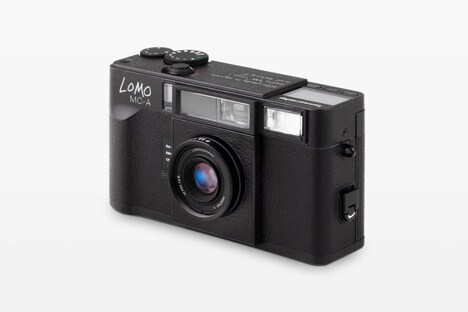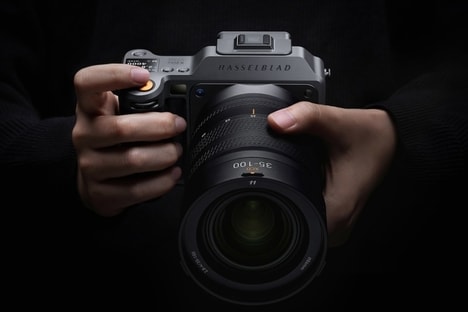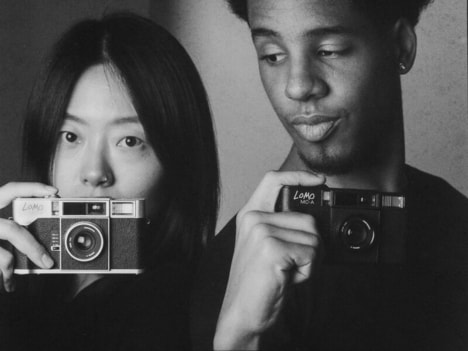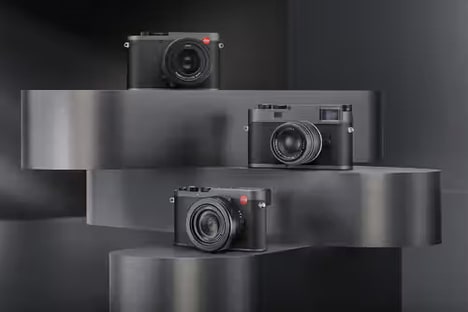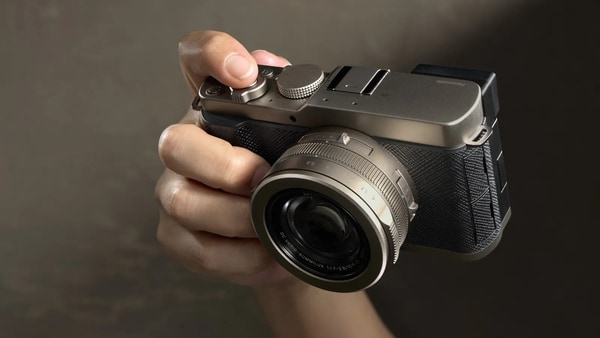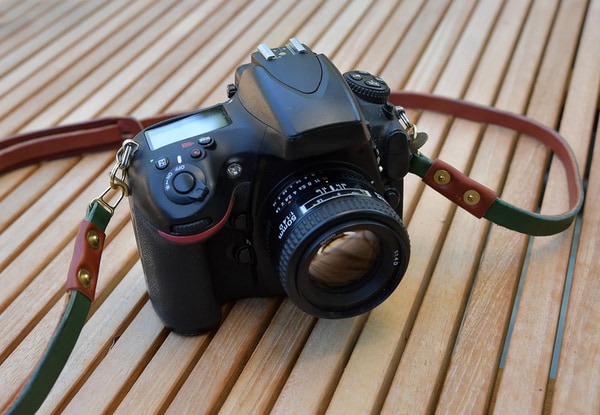
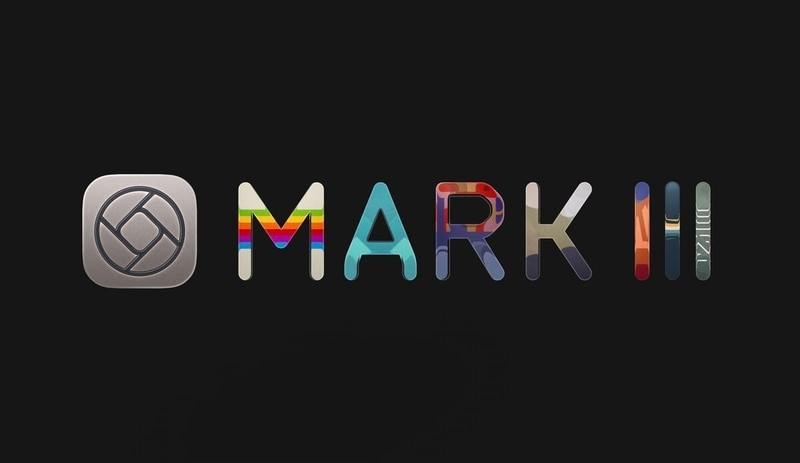
The computational film photography features introduced in Lux's Halide Mark III bring professional-grade film simulations and color profiles directly to smartphone photography. The camera app includes a collection of curated photographic looks designed for different shooting styles, allowing users to capture cinematic, portrait-focused, and landscape-oriented images without relying on extensive post-production editing. Combined with HDR support and streamlined adjustment tools, Halide Mark III helps photographers create polished results directly from the camera.
This approach reflects growing demand for creative tools that simplify the content creation process while preserving artistic control. As social media, creator platforms, and digital publishing continue to prioritize high-quality visuals, consumers are increasingly seeking ways to achieve professional-looking results with minimal effort. For camera app developers, smartphone manufacturers, and content platforms, Lux's latest release highlights opportunities to differentiate through advanced imaging experiences that blend computational photography, artistic styling, and user-friendly workflows into a single mobile solution.
Image Credit: Lux
What's Driving This Trend
- Computational Film Emulation
- AI-enhanced color science and sensor processing are making premium film-inspired aesthetics accessible inside mobile cameras, creating room for differentiated visual identities beyond traditional filters.
- Creator-ready Capture
- Built-in cinematic profiles and simplified adjustment tools reduce the need for complex editing workflows, reshaping how social creators produce polished content at the point of capture.
- Mobile Artistic Control
- Professional-grade customization within smartphone apps is expanding consumer expectations for creative precision, blending ease of use with the expressive flexibility once reserved for dedicated cameras.
Who This Affects Most
- Mobile Photography
- Smartphone imaging platforms are evolving into end-to-end creative systems where computational processing, curated looks, and HDR optimization define competitive advantage.
- Creator Economy
- Visual-first creators benefit from tools that compress production time while preserving distinctive style, strengthening demand for mobile-native software that supports faster publishing cycles.
- Digital Publishing
- High-quality image generation directly from consumer devices is raising baseline content standards, opening space for platforms that integrate capture, styling, and distribution into seamless workflows.