OpenEvidence expanded its clinical decision-support platform across NewYork-Presbyterian, Columbia University Vagelos College of Physicians and Surgeons, and Weill Cornell Medicine. The deployment covers NewYork-Presbyterian hospitals and affiliated care sites throughout New York City and Westchester, giving clinical staff broader access to AI-assisted medical research at the point of care.
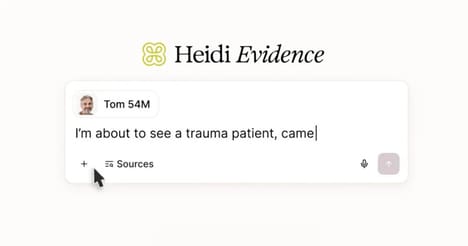
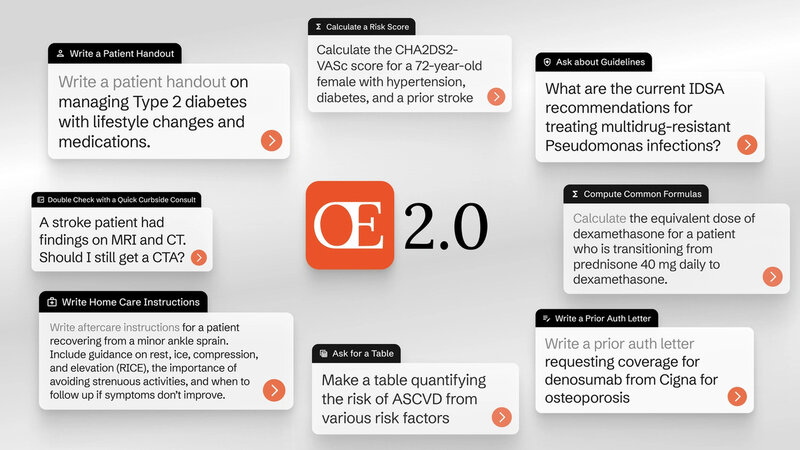
Clinicians can ask complex medical questions in conversational language and receive answers grounded in published research and clinical guidelines. The rollout spans multiple hospitals, primary and specialty care clinics, medical groups, and telemedicine services rather than remaining limited to a single department or pilot program. The collaboration is designed to support clinicians serving a large and medically diverse patient population.
For providers, wider access to OpenEvidence can reduce the time spent searching medical literature and support more informed treatment decisions. The deployment reflects growing health system interest in scaling evidence-based AI tools across routine clinical workflows while maintaining clinician oversight and standards for accuracy.
Image Credit: OpenEvidence
Why This Trend Is Growing
- Point-of-care AI
- Clinical teams gain faster access to research-backed answers within everyday workflows, creating room for decision-support systems that reduce information friction during patient care.
- Evidence-based Automation
- AI platforms grounded in published literature and guidelines signal new potential for tools that standardize clinical knowledge access without replacing professional judgment.
- Enterprise Clinical Deployment
- Health systems are moving beyond isolated pilots toward broad AI rollouts, opening space for scalable platforms that operate across hospitals, clinics, and telemedicine networks.
Industries Being Reshaped
- Healthcare Technology
- Conversational clinical AI reflects a growing market for software that integrates medical research, workflow support, and safety standards into provider-facing tools.
- Hospital Systems
- Large care networks can use AI-assisted decision support to improve consistency across diverse care settings while preserving clinician-led treatment decisions.
- Medical Education
- Academic medical centers benefit from platforms that connect trainees and physicians to current evidence, reshaping how clinical learning and applied research intersect.