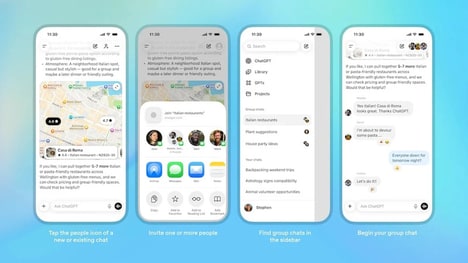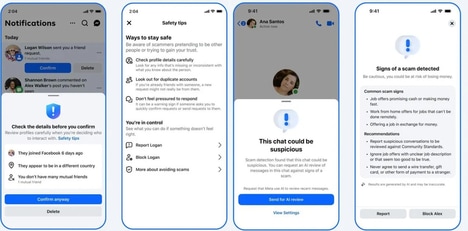
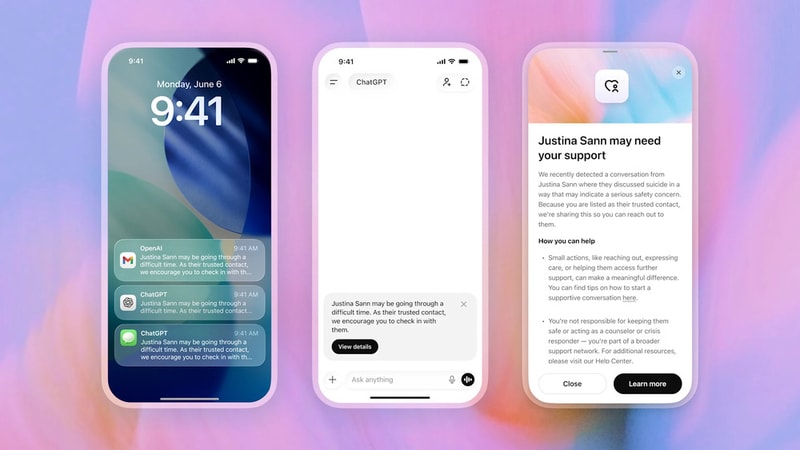
ChatGPT Trusted Contact is being rolled out by OpenAI as a new tool for adult users that could help to offer an additional safety net in the event that they start to exhibit risk signals for self-harm. The feature works by having users select a trusted friend, family member or caregiver who could receive an notification by the automated system or trained reviewers in the event they have discussed self-harm with the artificial intelligence (AI) chatbot. The feature builds on the brand's parental safety control features for teen users and expands safety functionality to anyone over 18 for enhanced peace of mind.
ChatGPT Trusted Contact responds to the large number of users of the brand's chatbot who discuss self-harm and emotional distress as a way to offer real-world help.
Key Themes Behind This Trend
- AI-powered Crisis Detection
- Embedding real-time risk signal analysis into conversational agents creates opportunities for proactive intervention mechanisms that bridge digital interactions and offline support.
- Trusted-contact Notification Systems
- Notification workflows that route critical alerts to user-designated contacts enable new models for shared responsibility and coordinated care across personal networks.
- Expanded Adult Safety Controls
- Providing safety features beyond parental controls for adult users opens potential for tailored privacy-preserving support services and tiered escalation protocols.
Where This Applies
- Mental-health Services
- Integration of chatbot-derived risk assessments could transform triage and outreach models by supplementing clinician insight with continuous, automated monitoring.
- Telehealth Platforms
- Platforms combining conversational AI with emergency notification capabilities may reshape virtual care pathways and after-hours crisis response.
- Privacy and Compliance
- Evolving requirements for consent, data minimization, and cross-jurisdictional reporting create demand for privacy-first architectures and verifiable audit trails for safety interventions.