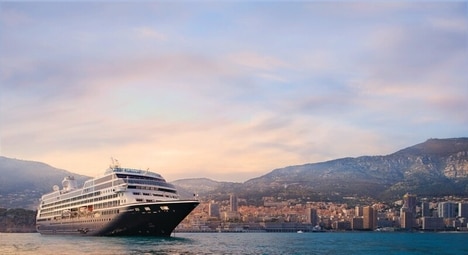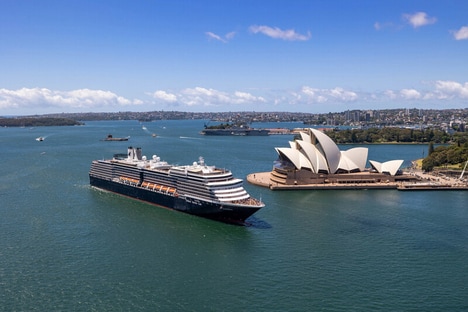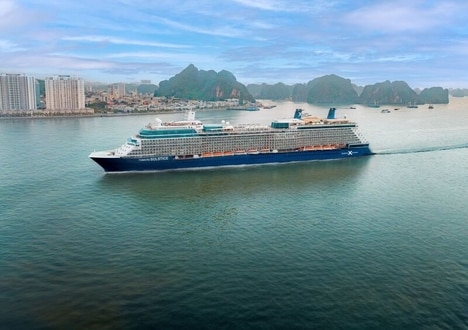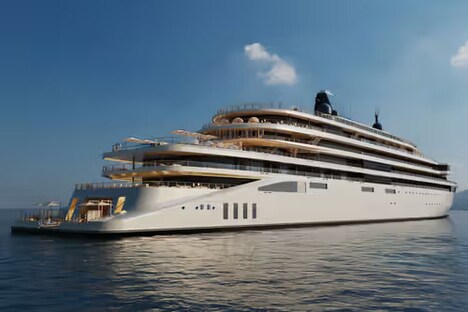
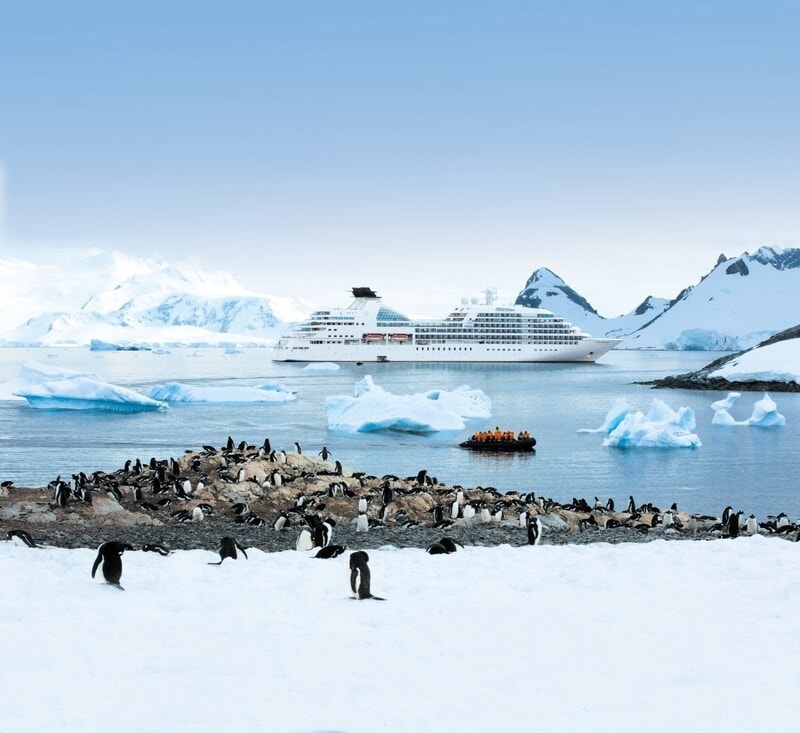
Luxury cruising and expedition travel innovator Seabourn announced the 2028 Cape to Cape World Cruise, a voyage aboard the Seabourn Quest that will take travelers over 26,000 nautical miles, explore five continents and more than 50 destinations, and introduce the first complimentary expedition-style experiences ever offered on a Seabourn world cruise.
Departing from Miami in 2028, Seabourn Quest will guide guests to cultural and natural wonders between two capes: Cape Horn in South America and Cape of Good Hope in South Africa. On its journey, the ship will also visit well-known and remote destinations, including Antarctica and Easter Island. As an alternative to the 120-day voyage from Miami to Dover, guests can opt for a shorter 112-day voyage with early disembarkation in Lisbon.
Key Themes Behind This Trend
- Ultra-luxury Expedition Cruises
- Cruise lines are integrating expedition-style experiences into luxury cruises, offering a unique blend of comfort and adventure that appeals to discerning travelers.
- Extended Global Voyages
- Extended global cruises are becoming increasingly popular, appealing to travelers seeking immersive, long-term travel experiences across numerous continents and cultures.
- Cultural-immersion Travel
- Travel companies are prioritizing cultural immersion, creating opportunities for tourists to engage deeply with diverse global destinations through curated experiences.
Where This Applies
- Luxury Cruise Industry
- The luxury cruise industry is embracing expedition experiences, creating new high-end offerings that merge traditional cruising with adventurous exploration.
- Expedition Travel Sector
- With demand for unique travel experiences climbing, the expedition travel sector is innovating by integrating luxury elements into their adventurous itineraries.
- Sustainable Tourism Industry
- As world cruises explore remote destinations, the sustainable tourism industry is poised for growth, emphasizing eco-friendly practices in travel to protect fragile ecosystems.