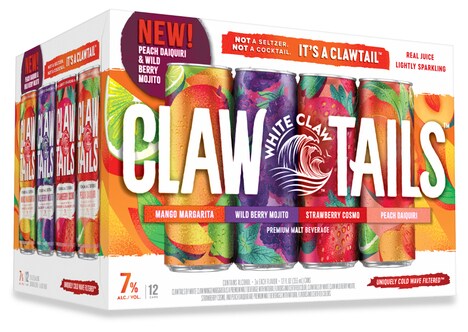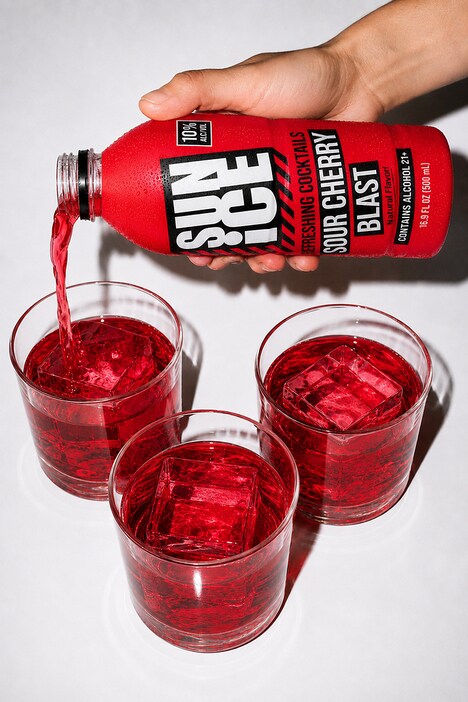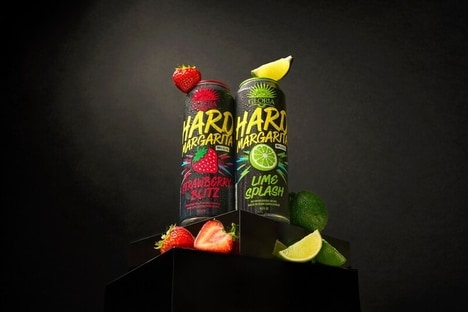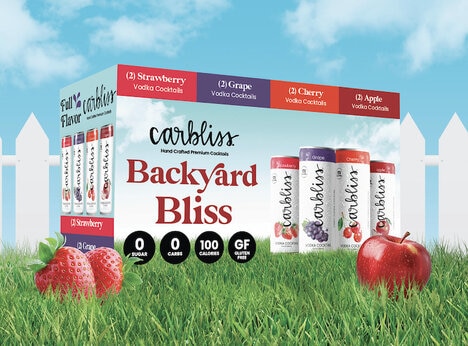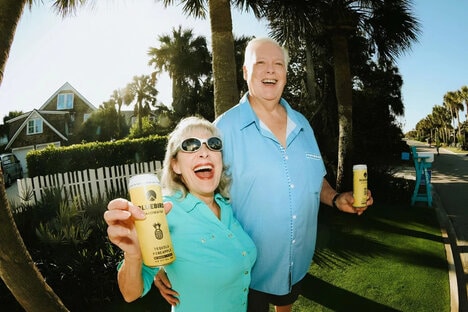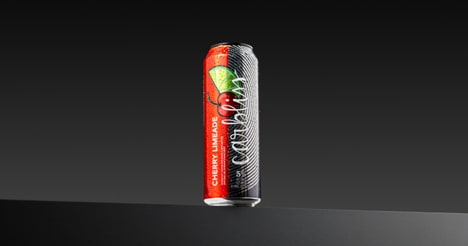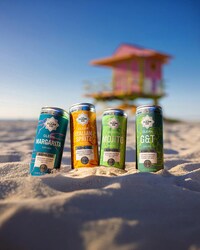
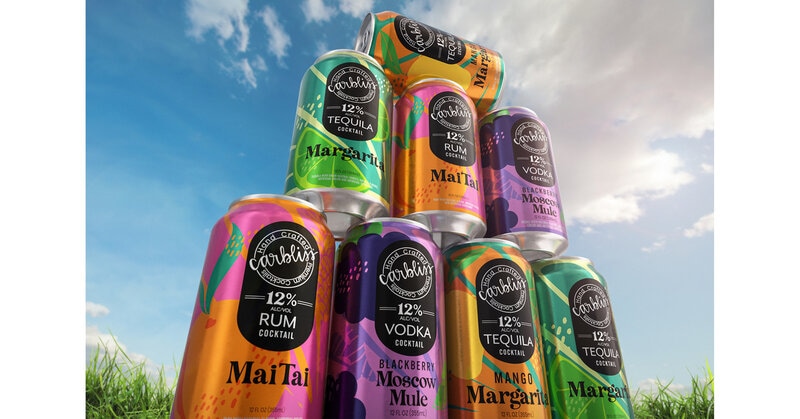
Carbliss is expanding its ready-to-drink lineup with a 12% ABV cocktail collection that brings the brand’s flavor-first approach into a stronger format. The Wisconsin brand built the range for people who want a full-strength cocktail in a can, while keeping the same bold taste profile it used in its earlier 5% line.
The collection opens with Margarita, Mango Margarita, Blackberry Moscow Mule and Mai Tai. It also keeps carbonation limited, so the cocktail flavor stays front and center, while zero carbs and 250 calories per can give the lineup a lighter profile than many high-ABV drinks.
Rolling out first across six Midwestern states before a wider U.S. expansion in 2027, the collection gives Carbliss a clearer bridge from soft-entry RTDs to stronger cocktails. That move can pull drinkers who want more alcohol without giving up the brand’s familiar flavor cue.
Image Credit: Carbliss
Key Themes Behind This Trend
- High-abv Ready-to-drink Cocktails
- Shelf-stable cans with bar-strength alcohol levels create white space for premium flavor systems, portion-controlled formats and spirits-inspired branding beyond standard hard seltzers.
- Zero-carb Alcohol Positioning
- Nutritional callouts in indulgent alcoholic beverages reveal demand for products that balance lifestyle-conscious macros with full-flavor drinking occasions.
- Low-carbonation Cocktail Formats
- Less effervescent canned cocktails signal an emerging preference for smoother, spirit-forward experiences that more closely resemble mixed drinks from a bar.
Where This Applies
- Alcoholic Beverages
- Stronger RTD offerings are reshaping competition among beer, spirits and canned cocktail brands as consumers migrate toward convenient full-strength alternatives.
- Convenience Retail
- High-ABV canned cocktails with recognizable flavors expand impulse purchase potential in stores where portability, clear labeling and single-serve formats influence buying behavior.
- Health-conscious Food and Beverage
- Zero-carb claims in alcohol point to crossover opportunities between wellness-oriented consumption habits and traditionally indulgent adult beverage categories.