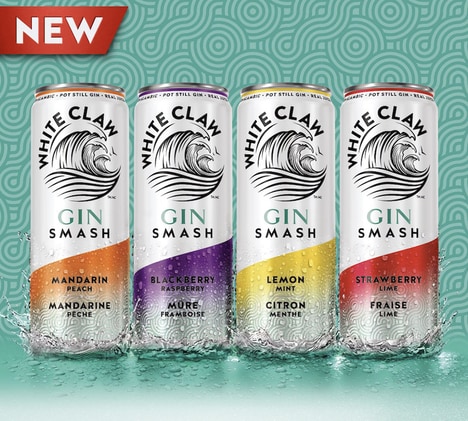
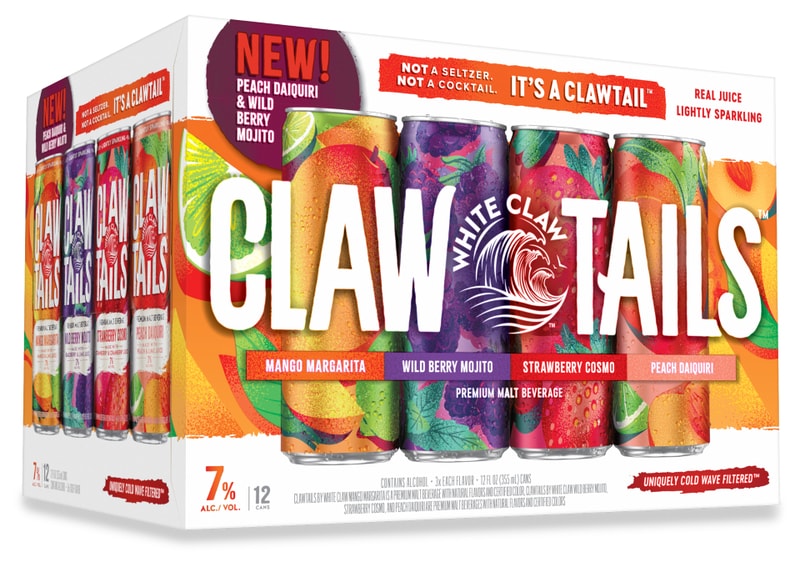
White Claw Clawtails has arrived as a premium RTD option built around real spirits and real juice, at 7% alc./vol. The four-flavor variety pack featured a Mango Margarita made with tequila, a Blackberry Mojito, a Tropical Mai Tai made with rum, and a Strawberry Cosmo made with vodka, each offering a lightly sparkling take on a classic cocktail.
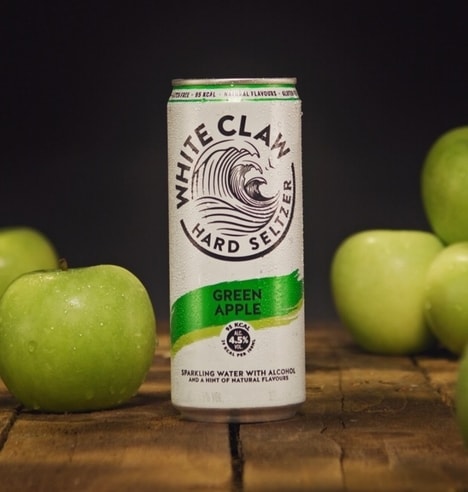
The brand also added White Claw Grape as a permanent addition to its core lineup, offering a tart-sweet profile at 100 calories and 1g of sugar per 355mL can. White Claw Surge Blueberry joined the higher-ABV Surge range at 7% alc./vol., with just 2g of sugar per 473mL can, pairing ripe blueberry flavor with a crisp, clean finish.
As the RTD category continues to move towards premium brands, White Claw shows how legacy hard seltzer brands are repositioning around spirits-forward credentials to stay competitive.
Image Credit: White Claw
What Makes This Trend Stand Out
- Spirits-based Rtds
- Real tequila, rum, and vodka in canned cocktails signal a premium shift where hard seltzer makers can compete with bar-quality mixed drinks in convenient formats.
- Sparkling Classic Cocktails
- Light carbonation applied to familiar margarita, mojito, mai tai, and cosmo profiles creates room for hybrid beverages that merge cocktail recognition with seltzer refreshment.
- Low-sugar High-abv Drinks
- Higher-alcohol products with restrained sugar and calorie counts reflect consumer demand for stronger ready-to-drink options that still align with wellness-conscious drinking habits.
Sectors Adopting This
- Alcoholic Beverages
- The ready-to-drink alcohol market is being reshaped by premium spirit credentials, giving established seltzer brands new relevance beyond malt-based flavor innovation.
- Convenience Retail
- Single-serve cans and variety packs support impulse purchases and cooler-door differentiation as retailers seek premium, portable beverages with broad occasion appeal.
- Flavor Innovation
- Fruit-forward profiles such as mango, blackberry, grape, and blueberry highlight how beverage developers can use familiar tastes to make higher-ABV and spirits-led formats more approachable.