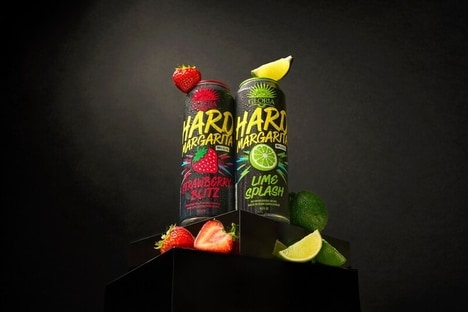
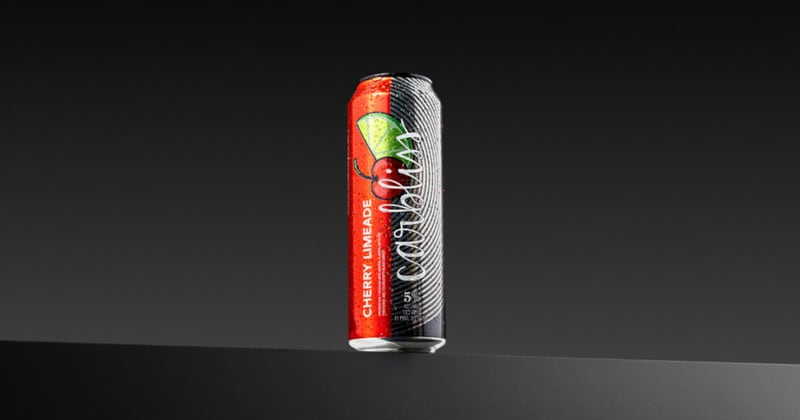
Carbliss introduced a malt tallboy version of its ready-to-drink vodka cocktails, targeting convenience stores. The launch converted the brand’s vodka RTD profile into a malt formulation, featuring a 16-ounce can format designed for grab-and-go retail.
The rollout covered seven Midwestern states and aimed to align with c-store distribution norms that favor malt beverages over spirits-based cans. Packaging mirrors the brand’s colorful aesthetic while the malt base lets Carbliss tap into different regulatory and retail channels.
For shoppers, the malt tallboy offers the same flavored cocktail positioning in a more widely stocked format, simplifying purchase and consumption occasions. The move reflects a broader trend of RTD brands adapting formulations and formats to expand shelf presence and retailer compatibility.
Image Credit: Carbliss
Why This Trend Is Growing
- Formulation-driven Distribution
- Shifting core formulations to malt bases enables RTD brands to enter broader retail channels by aligning with existing store stocking rules.
- Tallboy Format Normalization
- Large-format cans standardize single-serve alcohol offerings for convenience-focused shoppers, reshaping merchandising and consumption patterns.
- Brand Aesthetic Continuity
- Preserving visual brand language across new formats supports customer recognition while enabling cross-channel expansion into non-traditional outlets.
Industries Being Reshaped
- Convenience Store Retail
- Expanded malt RTD assortments change shelf dynamics and inventory strategies, influencing shopper choice and purchase frequency.
- Alcoholic Beverage Manufacturing
- Reformulation expertise becomes a competitive lever as producers balance flavor retention with regulatory and production constraints in malt-based RTDs.
- Regulatory Compliance Services
- Evolving formulation and distribution models increase demand for nuanced legal guidance on labeling, taxes, and interstate alcohol classifications.