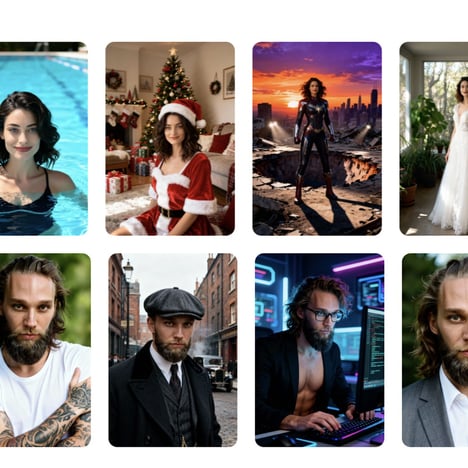
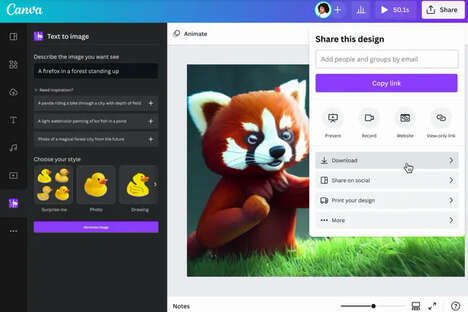
Facetune is now broadening its features with the YOUniverse option that allows users to edit their selfies in text-to-image technology. It uses artificial intelligence technology of the open-source Stable Diffusion model to help create a fantastical iteration of itself.
Users can imagine themselves in different scenes and styles without the need to wear costumes or have colorful backgrounds. As shown in a Youtube demonstration, users will update a variety of reference photos so that the app can properly understand their specific features. From this, users will then enter text prints including "me as The Mad Hatter in Alice in Wonderland,” and the technology will then formulate the visual using the AI technology programmed into the app.
Image Credit: Facetune
What's Driving This Trend
- AI-empowered Photo Editing
- Tools like Facetune's YOUniverse are employing AI technology to push creative boundaries in photo editing and enable users to imagine themselves in different scenes and styles.
- Text-to-image Technology
- With text-to-image technology, users can create fantastical iterations of themselves and explore a wider range of photo editing possibilities.
- Personalized Photo Editing
- The ability to update a variety of reference photos enables personalized and accurate photo editing, taking the guesswork out of editing to create a more professionals look.
Who This Affects Most
- Photography
- The photography industry can benefit from AI-empowered photo editing tools to save time and enable more efficient workflow.
- Advertising
- Text-to-image technology can offer advertisers new ways to create and edit ad graphics, allowing them to showcase their products or services in innovative and imaginative ways.
- E-commerce
- Online retailers can use personalized photo editing tools to create high-quality product images and improve product visualization, leading to more sales and customer satisfaction.