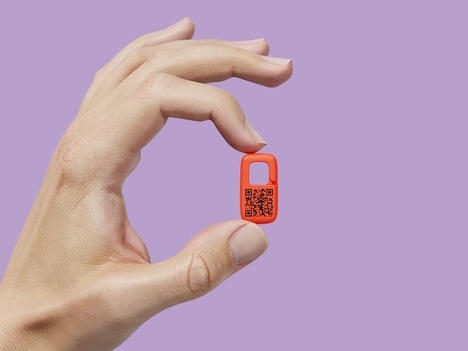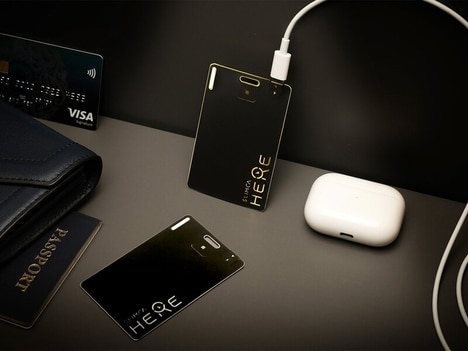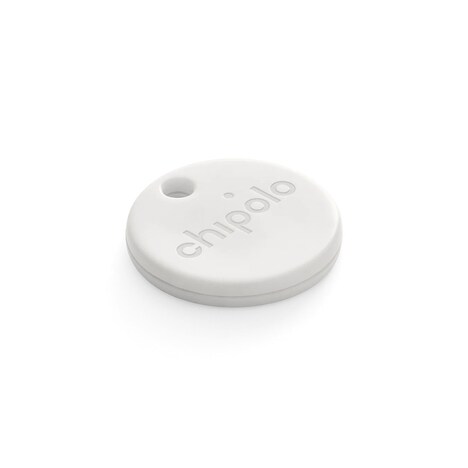
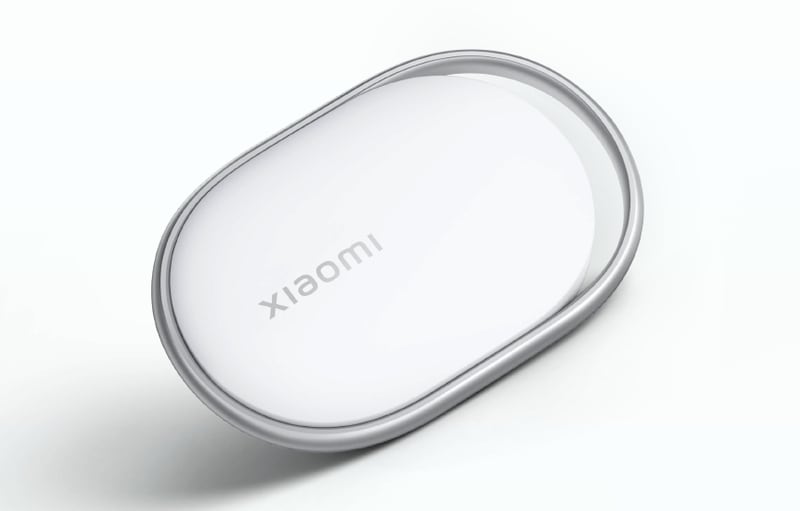
The Xiaomi Tag is the tech brand's new tracker engineered with a simple functionality to offer users a low-cost way to keep an eye on essentials. The tracker is positioned as dramatically cheaper than alternatives from major brands at a price point that's around 50% less, while also weighing less at 10-grams and offering over a year's worth of use in battery life. The tracker boasts a dual-ecosystem integration setup that works with Apple Find Might as well as the Google Android Find Hub to accommodate iOS and Android users alike.
The Xiaomi Tag is priced at €14.90 each and comes in at €49.99 for a four pack. The tracker is powered by a button cell battery for easy swapping and can be triggered via the user's smartphone to play an audible alert.
Image Credit: Xiaomi
Why This Trend Is Growing
- Ultra-low-cost Trackers
- Widely reduced price points enable pervasive tagging of low-value items, creating room for business models that monetize scale and data rather than single-unit margins.
- Cross-ecosystem Compatibility
- Device designs that natively integrate with both major mobile ecosystems reduce fragmentation and open possibilities for platform-agnostic services and partnerships.
- Ultra-light Long-life Devices
- Extremely small form factors combined with year-plus battery life permit unobtrusive, long-term embedding of trackers into products and packaging for continuous monitoring.
Industries Being Reshaped
- Retail and Inventory Management
- Affordable tags make per-item visibility feasible, transforming inventory accuracy and shrink-management approaches in both brick-and-mortar and e-commerce operations.
- Consumer Electronics
- Demand for inexpensive companion devices shifts product roadmaps toward accessory ecosystems and bundled services that extend hardware value beyond core products.
- Elderly Care and Asset Safety
- Discrete, long-lasting trackers present new options for non-invasive monitoring of personal belongings and vulnerable individuals without frequent maintenance.