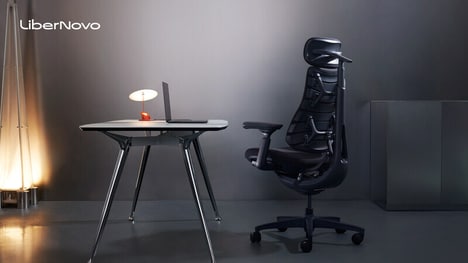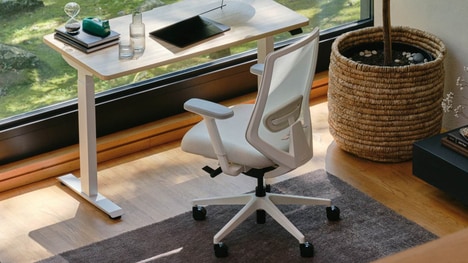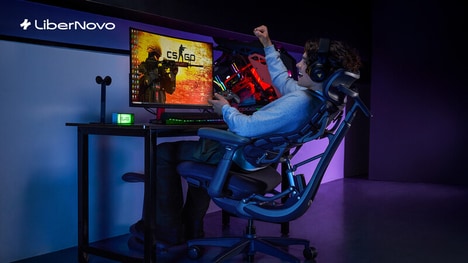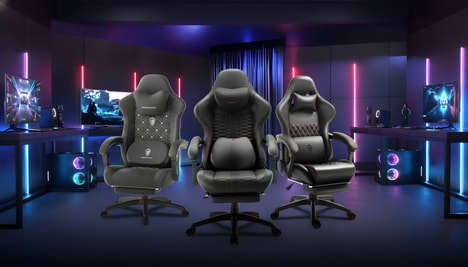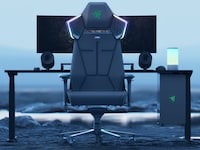
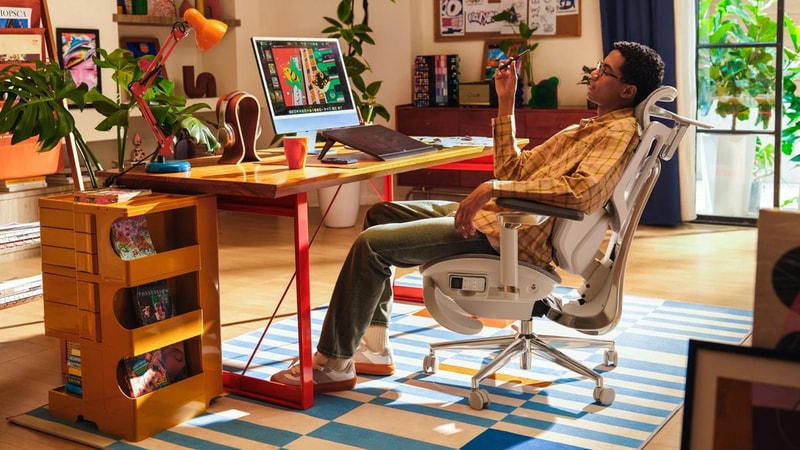
Hbada introduced the X7 Smart Ergonomic Chair, a seating system that uses AI-driven lumbar tracking to adjust support automatically, featuring microsecond Hall sensors and high-compute chips to monitor posture in real time. The chair combines servo-driven linear motors with a 1,000Hz sampling rate to deliver dynamic 50mm depth extensions and 10° adaptive deflection for continuous lumbar alignment.
Beyond adaptive support, the X7 integrates an 8D Bionic Massage system, a Thermotherapy module that limits heat to 45–54°C, and a dual-fan cloud ventilation assembly for cooling; it also offers a patented three-zone floating wing structure developed with medical expertise and omnidirectional armrests with 55mm depth travel. Safety and durability credentials include UL, FCC, and BIFMA X5.1 certifications.
For desk workers, the X7 promises reduced muscular fatigue and more consistent posture by actively responding to movement rather than relying on static adjustments, making ergonomic seating a proactive part of daily wellness routines and longer-term productivity strategies.
Image Credit: Hbada
What's Driving This Trend
- AI-driven Adaptive Ergonomics
- Real-time posture monitoring and microsecond sensor feedback enable seating systems to autonomously tailor lumbar support, opening possibilities for personalized, data-rich ergonomics.
- Sensor-integrated Workplace Furniture
- High-frequency Hall sensors and high-compute chips embedded in furniture create continuous biomechanical datasets that could redefine product design and performance benchmarking.
- Thermo-regulated Comfort Systems
- Integrated thermotherapy and active ventilation paired with adaptive support point to merged thermal-kinetic comfort solutions that blur lines between medical devices and consumer furniture.
Who This Affects Most
- Office Furniture Manufacturing
- Manufacturers that incorporate servo motors, sensors, and certification-ready safety systems are positioned to shift from static product sales to configurable, intelligence-led seating portfolios.
- Corporate Wellness and Benefits
- Workplace health programs can leverage continuous ergonomic data streams to quantify intervention outcomes and expand offerings beyond traditional fitness and mental health services.
- Rehabilitation and Medical Devices
- Adaptive lumbar technologies with medical-grade motion control and temperature regulation suggest new classes of at-home therapeutic equipment bridging clinical rehabilitation and consumer comfort.